Ngāti Whakaue Unveils World-First Model of Kaumātua Care
MEDIA RELEASE
FOR IMMEDIATE RELEASE 18 June 2026
From the Stage to the Papakāinga: Ngāti Whakaue Unveils World-First Model of Kaumātua Care
Rotorua, Aotearoa New Zealand. The iwi that took the stage at Te Matatini is now leading a quiet revolution in how we care for our oldest and most treasured.
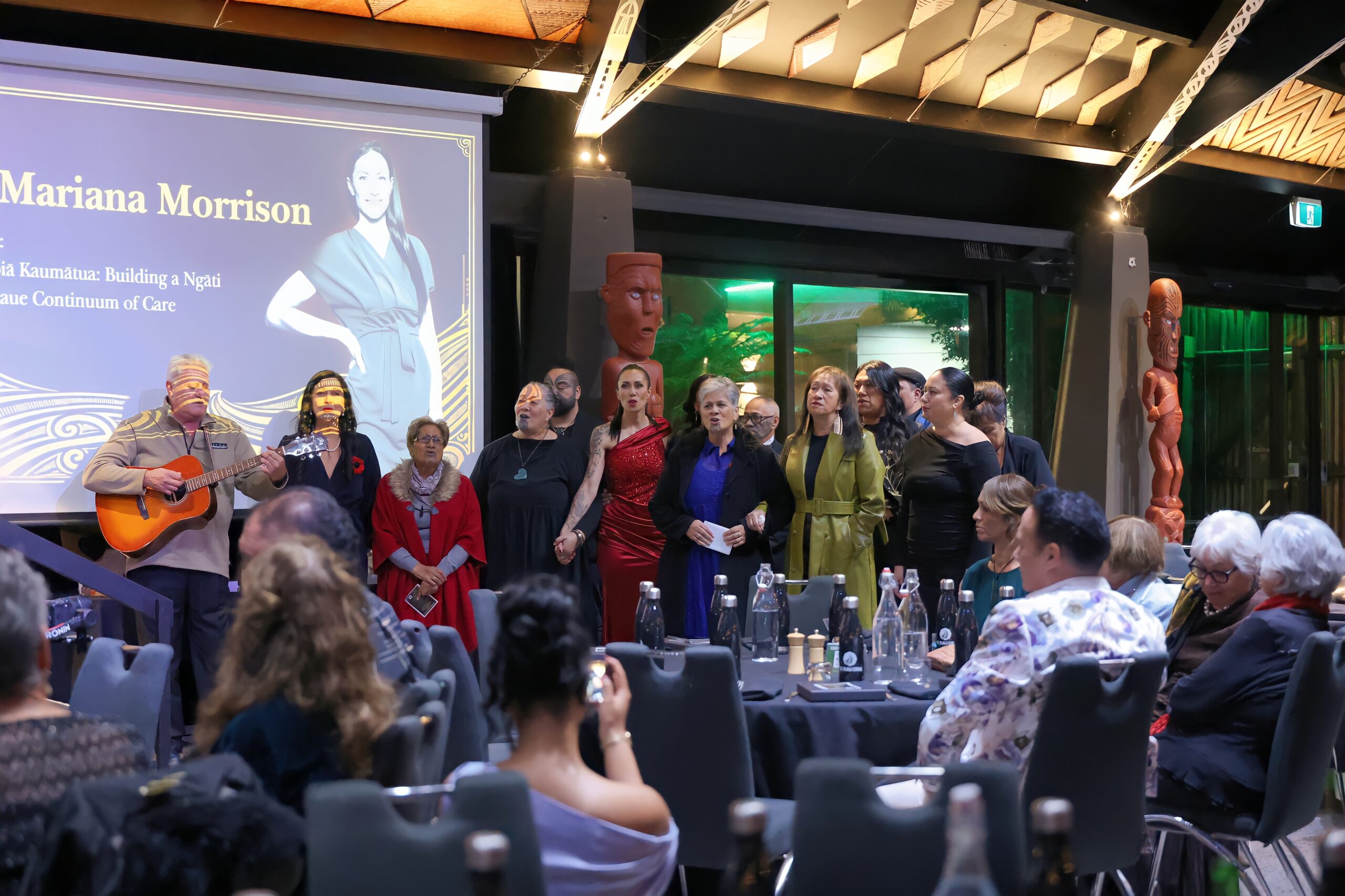
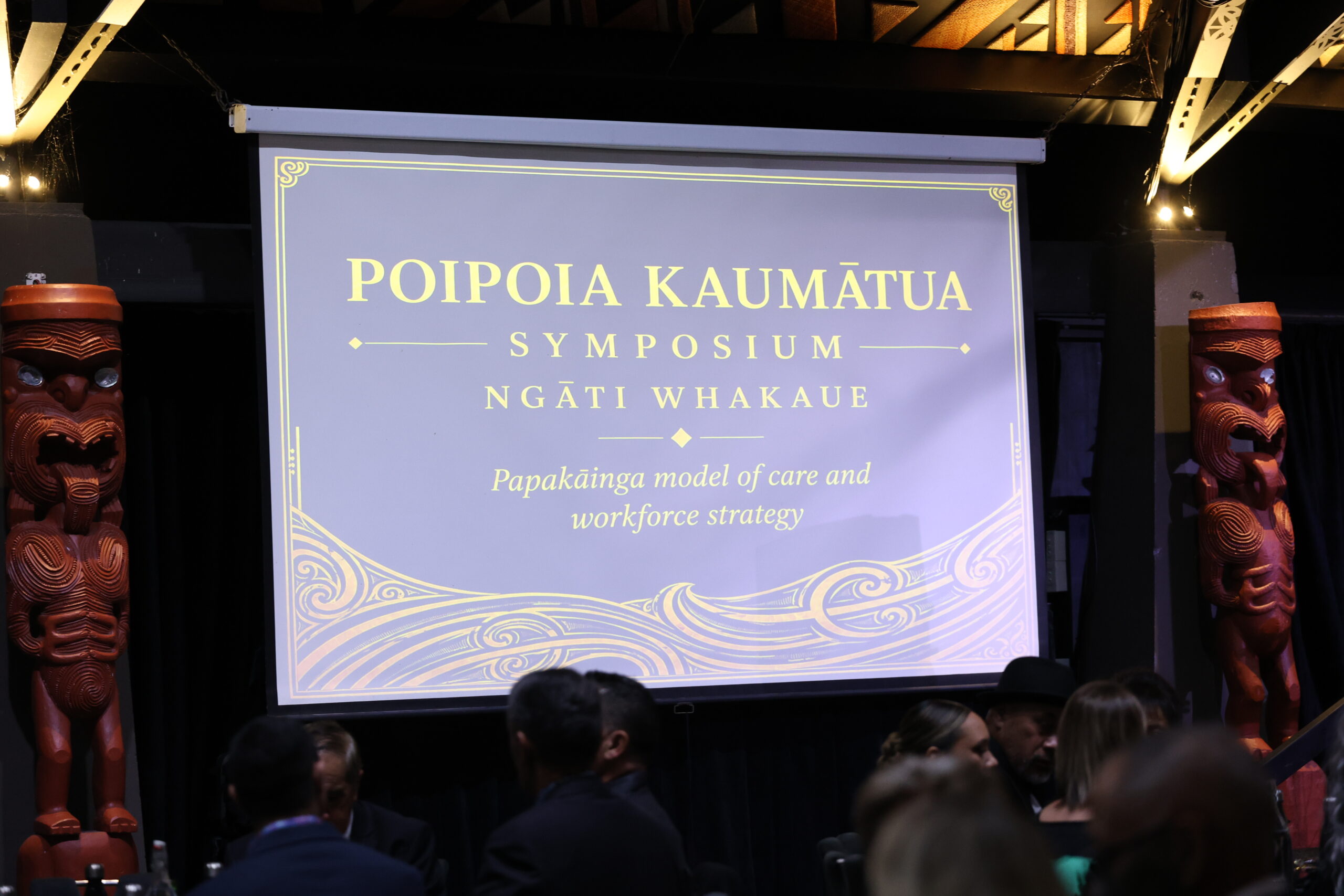
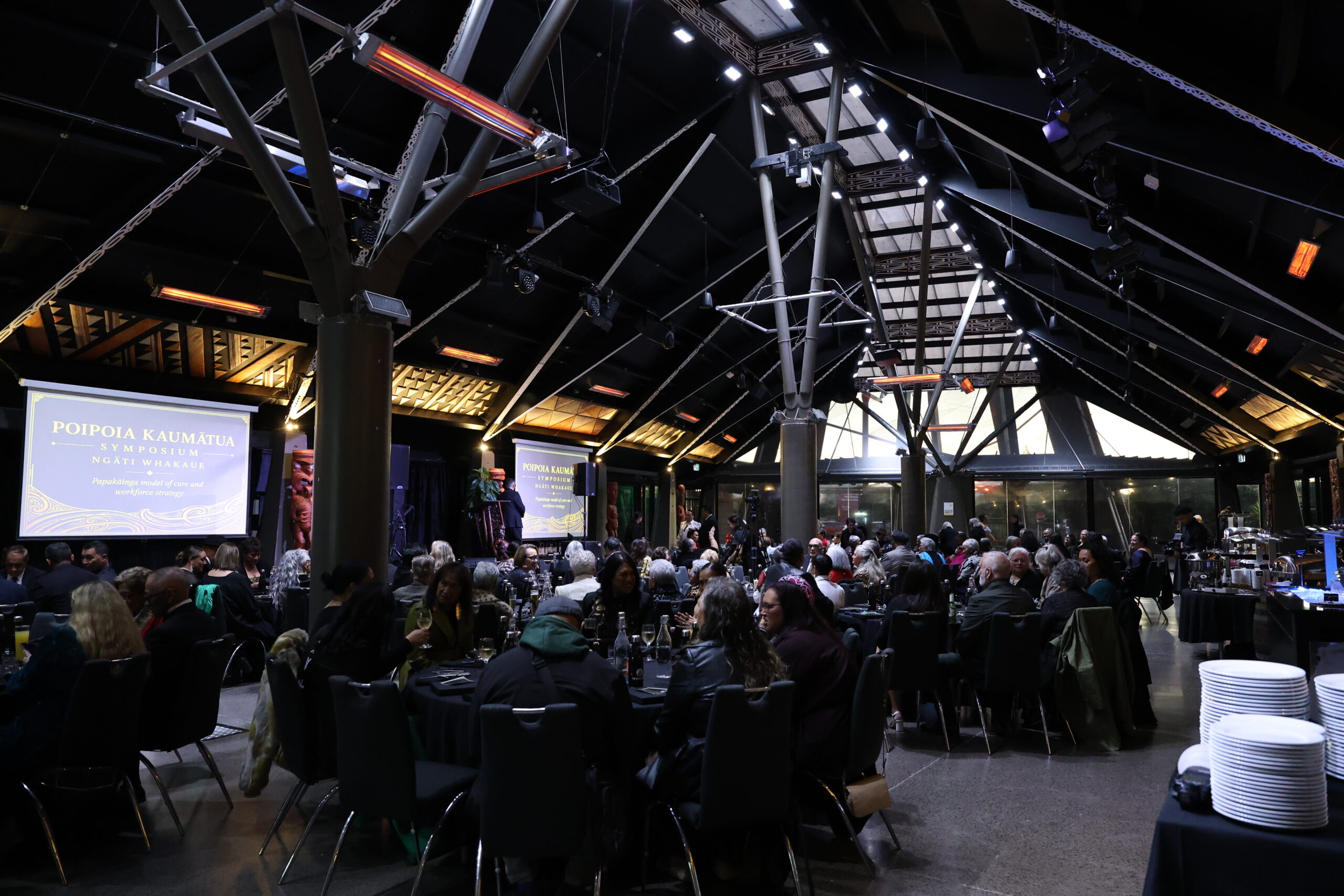
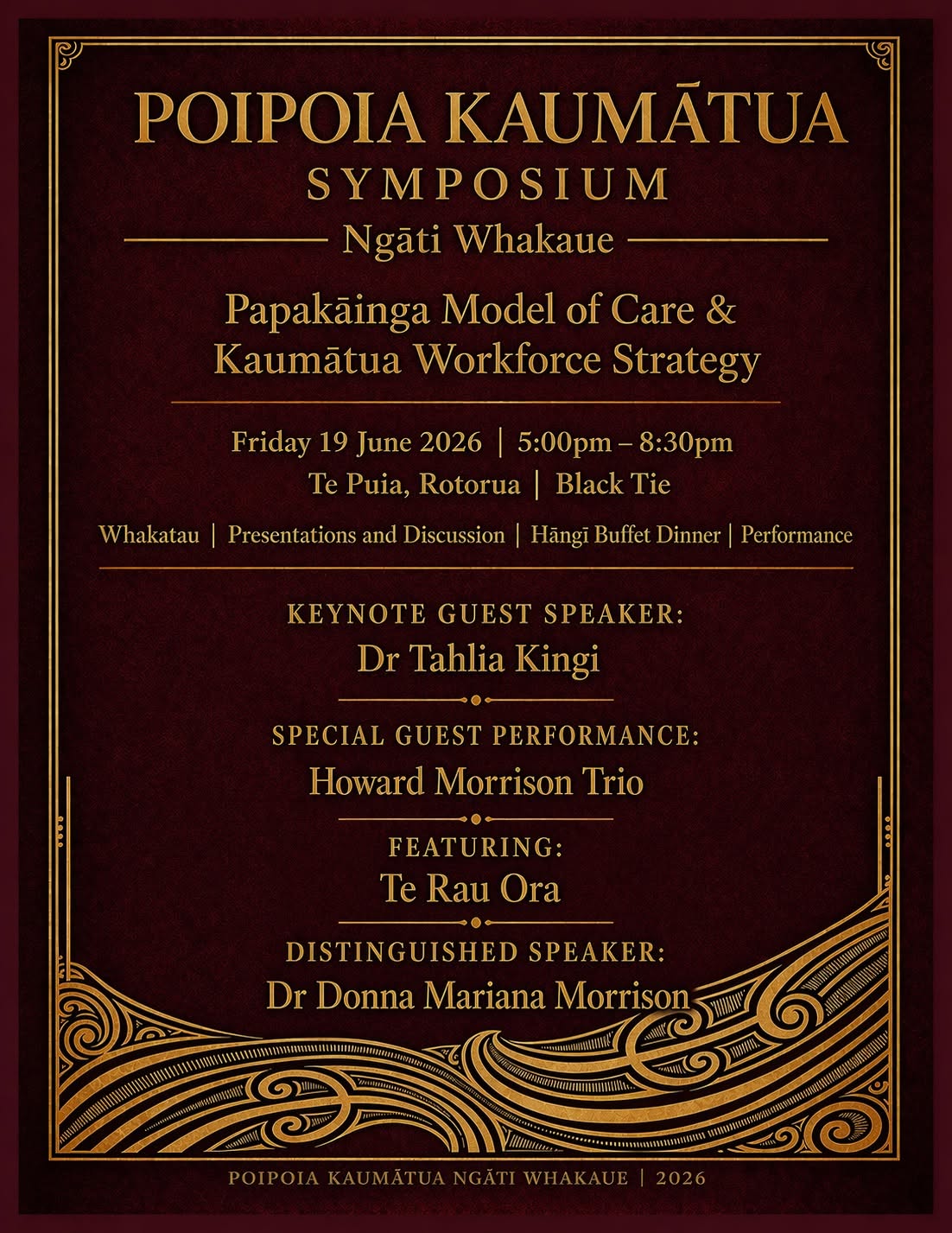
On Friday 19 June, Ngāti Whakaue and Te Rau Ora will present the Poipoia Kaumātua Symposium at Te Puia, Rotorua, to unveil what is believed to be the world’s first papakāinga model of care designed by iwi, for iwi, to support kaumātua to age in place on their own whenua.
The black-tie event marks the convergence of years of iwi-led research, whānau voice, and a strategic partnership between Ngāti Whakaue and Te Rau Ora, the kaupapa Māori health workforce development organisation for Aotearoa, into a single, bold response to one of the country’s most pressing challenges: who will care for our ageing population, and where?
A crisis in plain sight
The numbers are stark. Across the Te Manawa Taki region, aged care bed capacity sits at just 97. Nationally, Aotearoa is projected to face a shortfall of nearly 12,000 residential care beds by 2030. Standard rest home level care costs the taxpayer $1,000 per week, per person. Premium care can easily double that to $2,000 or more per week. Both figures do not include specialist care, where costs climb higher again.
For Māori communities with rapidly ageing populations, the question is urgent. The current system cannot meet the demand ahead.
Iwi listened. Iwi responded.
Ngāti Whakaue Endowment commissioned research to understand what ageing looks like within the iwi. What came back was whānau voice: stories of barriers, unmet need, and the quiet heroism of whānau already caring for their koeke, kuia, and kaumātua without clinical training or system support.
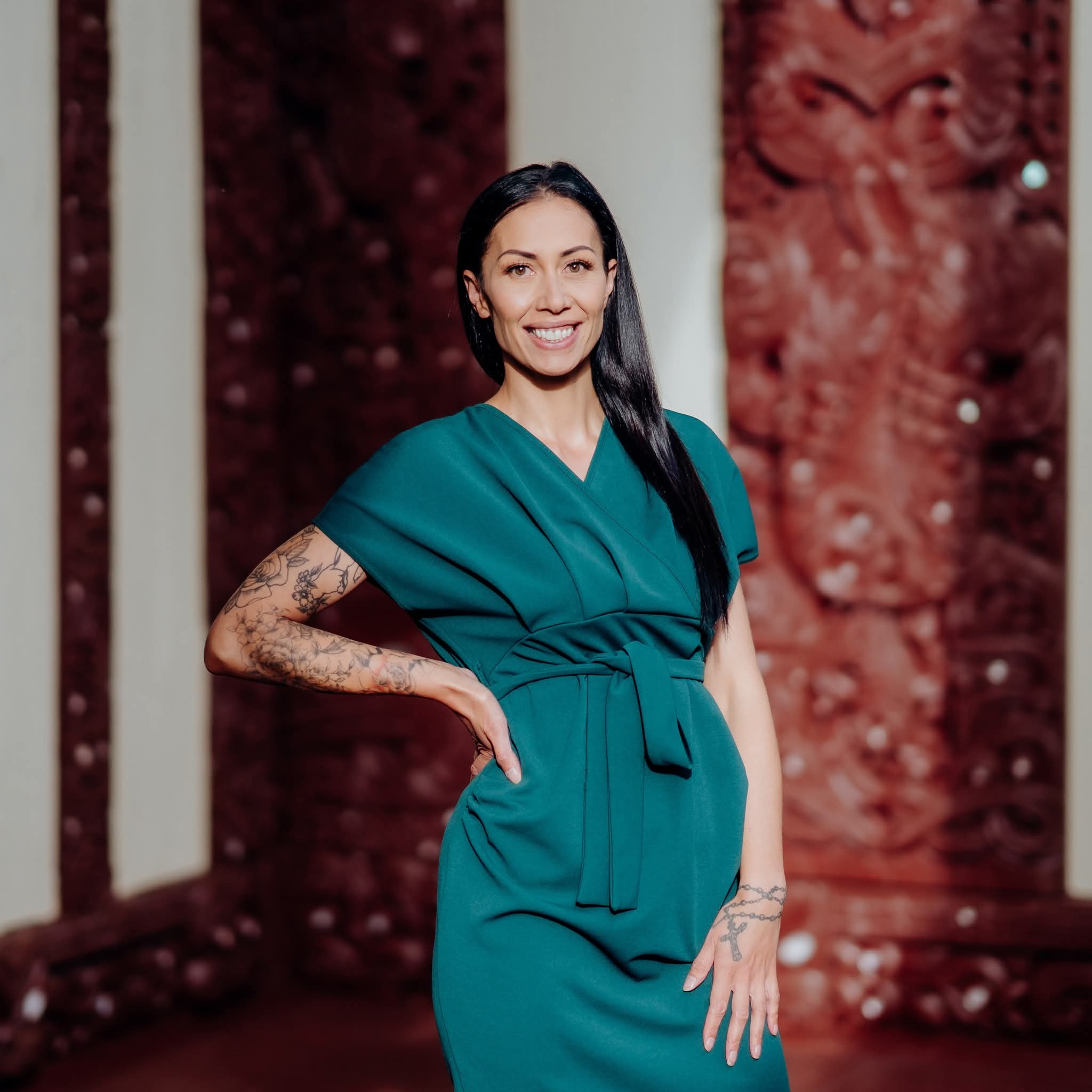
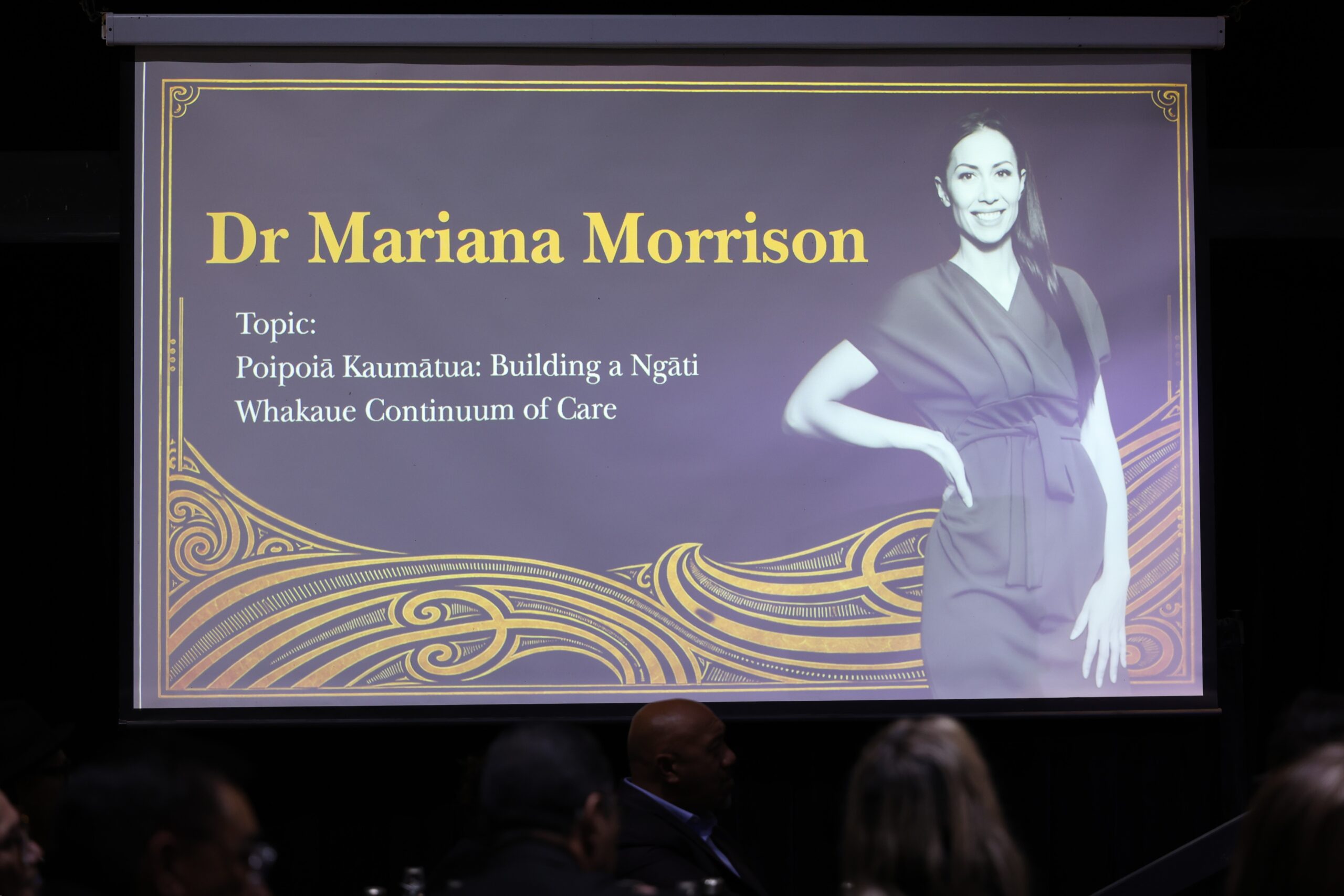
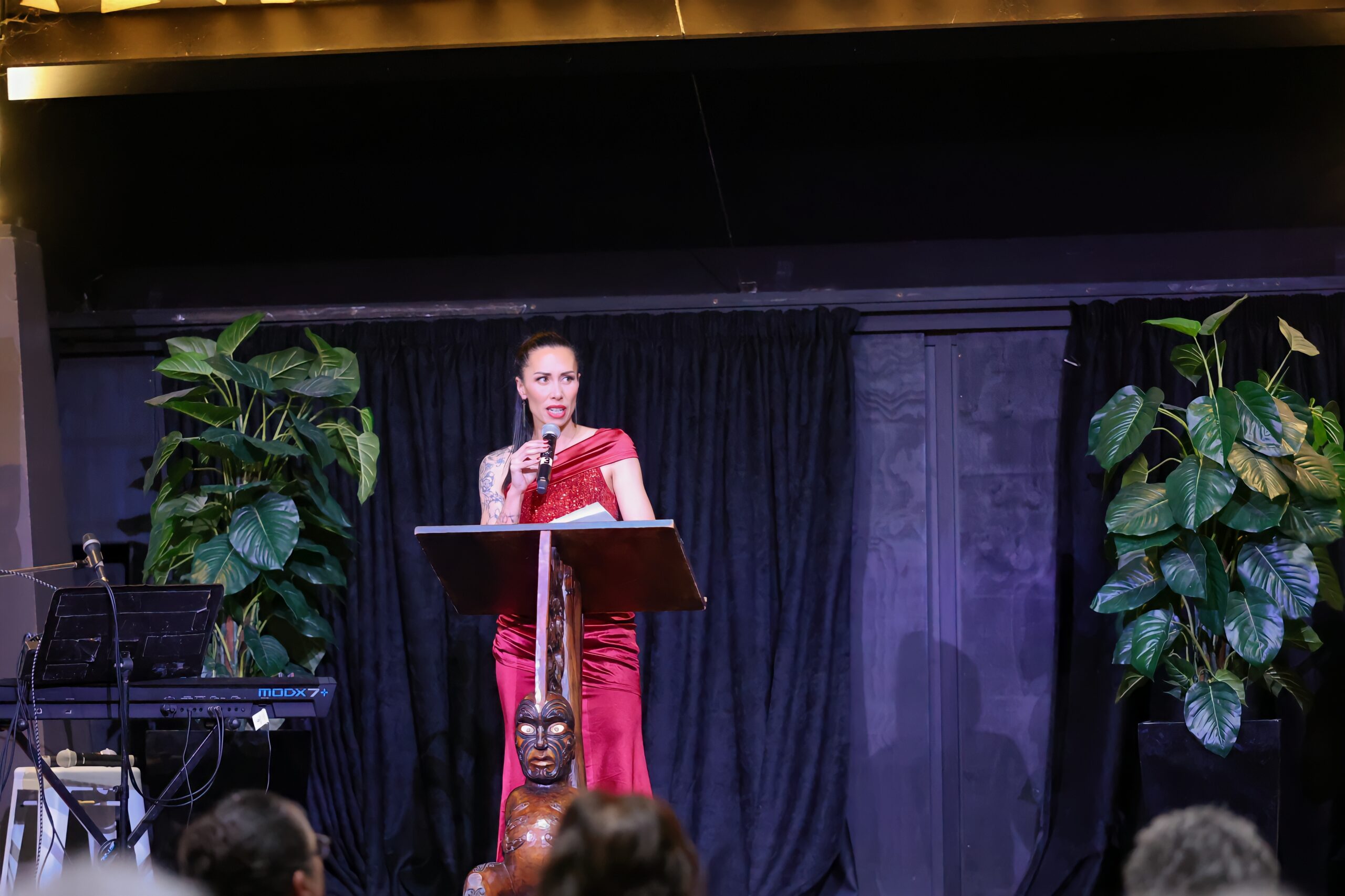
From that research, Dr Mariana Morrison designed a papakāinga model of care grounded in what whānau actually said they needed. What began as a report grew into something far larger: a consortium of kaupapa Māori providers stretching from Te Puke to Tūrangi, a workforce strategy in partnership with Te Rau Ora, and a model that could reshape how iwi across the motu support their ageing populations.
“As far as I’m aware, and I’ve checked the literature, there is nothing like this published anywhere in the world,” Dr Mariana Morrison said. “This is a papakāinga model of care designed by iwi, for iwi. It’s about nurturing our kaumātua to age in place, on their whenua, surrounded by their whānau.”
Papakāinga developments are not new to Aotearoa. Iwi and communities across the motu are doing important mahi to build housing on whenua Māori. What makes this initiative distinctive is the integration: papakāinga living, on-location access to health and social services, workforce training for whānau carers, education pathways through kaupapa Māori providers, and iwi governance, all co-designed by Ngāti Whakaue and Te Rau Ora as a single system in direct response to the voice of the iwi it serves. It is this combination that Dr Morrison believes has no published equivalent anywhere in the world.
Flipping the model
At the heart of the approach is a simple but powerful shift. In the current system, kaumātua are sent to rest homes or left to navigate a maze of providers on their own. The papakāinga model flips that. A nurse coordinator based on the papakāinga provides clinical oversight, and instead of koeke travelling to a myriad of services, the services come to them, coordinated through the nurse practitioner on the whenua.
To make this a reality, Dr Mariana Morrison has established an accredited home-based care support entity, purpose-built for papakāinga. The entity has been formally audited, meaning this is not a concept waiting for permission. It is a delivery-ready vehicle designed from the ground up for iwi-led care on whenua Māori.
The model draws on the same infrastructure principles already proven at Manawa Gardens, the landmark Ngāti Whakaue housing development delivering 240 affordable rental homes across three stages, including purpose-built kaumātua units with universal accessibility.
Growing the workforce
Many of those providing daily care to koeke are whānau members working through community providers, without clinical qualifications. Across just two providers alone, approximately 200 whānau support kaumātua in this way. They are the unregulated workforce, and they are the backbone of care in the community.
The symposium also marks the soft launch of the refreshed Whiria Te Oranga strategy from Te Rau Ora, a kaumātua workforce development and wellbeing framework originally developed in 2008 and now updated to integrate wellbeing alongside workforce capability. The strategy provides a national framework with regional layers, with the puna sitting within iwi and hapū.
The partnership between Ngāti Whakaue and Te Rau Ora aims to develop a bespoke training programme, aligned to existing NZQA frameworks and delivered through wānanga, to equip whānau carers to identify malnutrition, signs of mate wareware, dehydration, blood pressure concerns, and diabetes, and to connect koeke to community programmes already available to them.
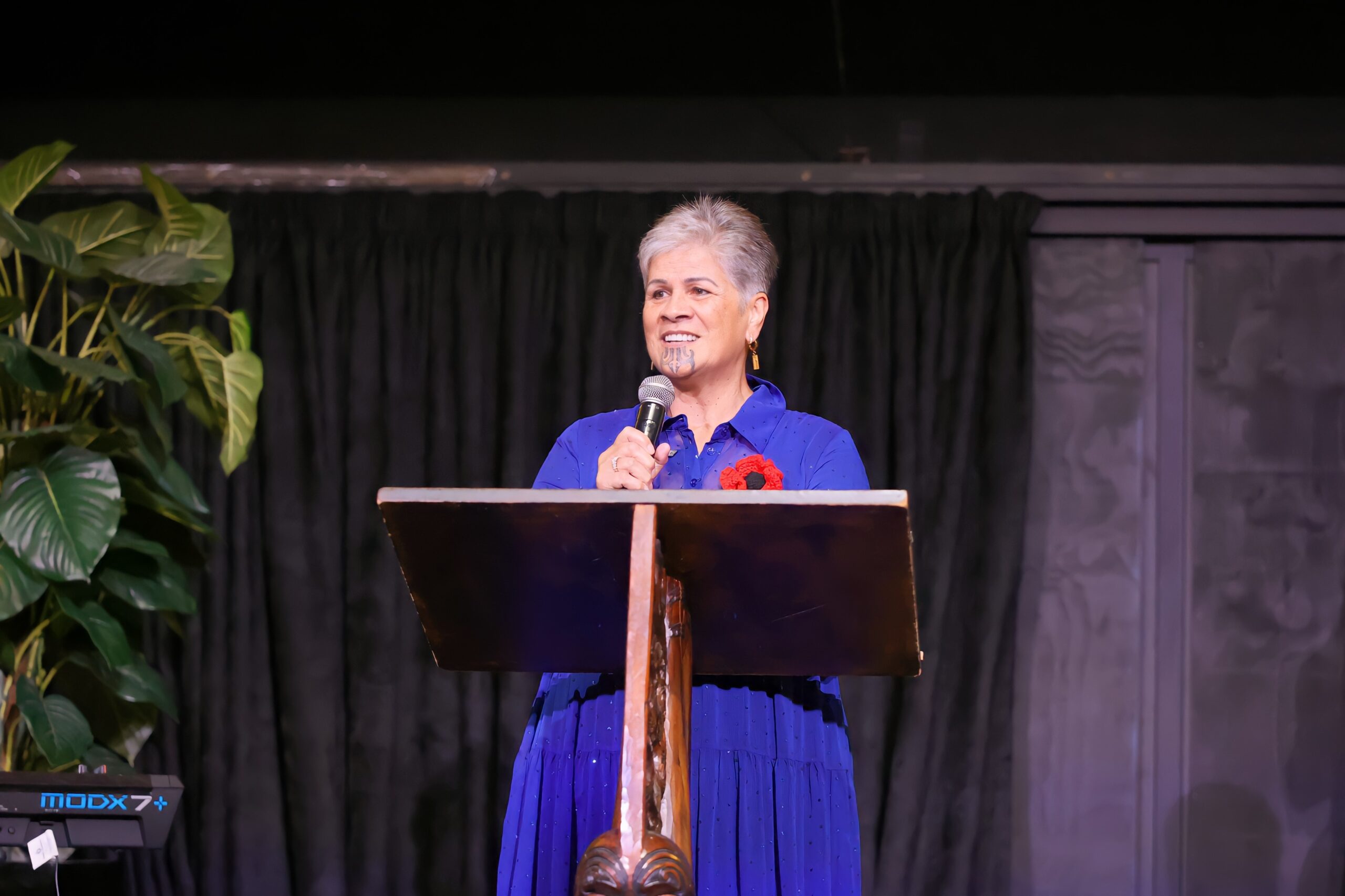
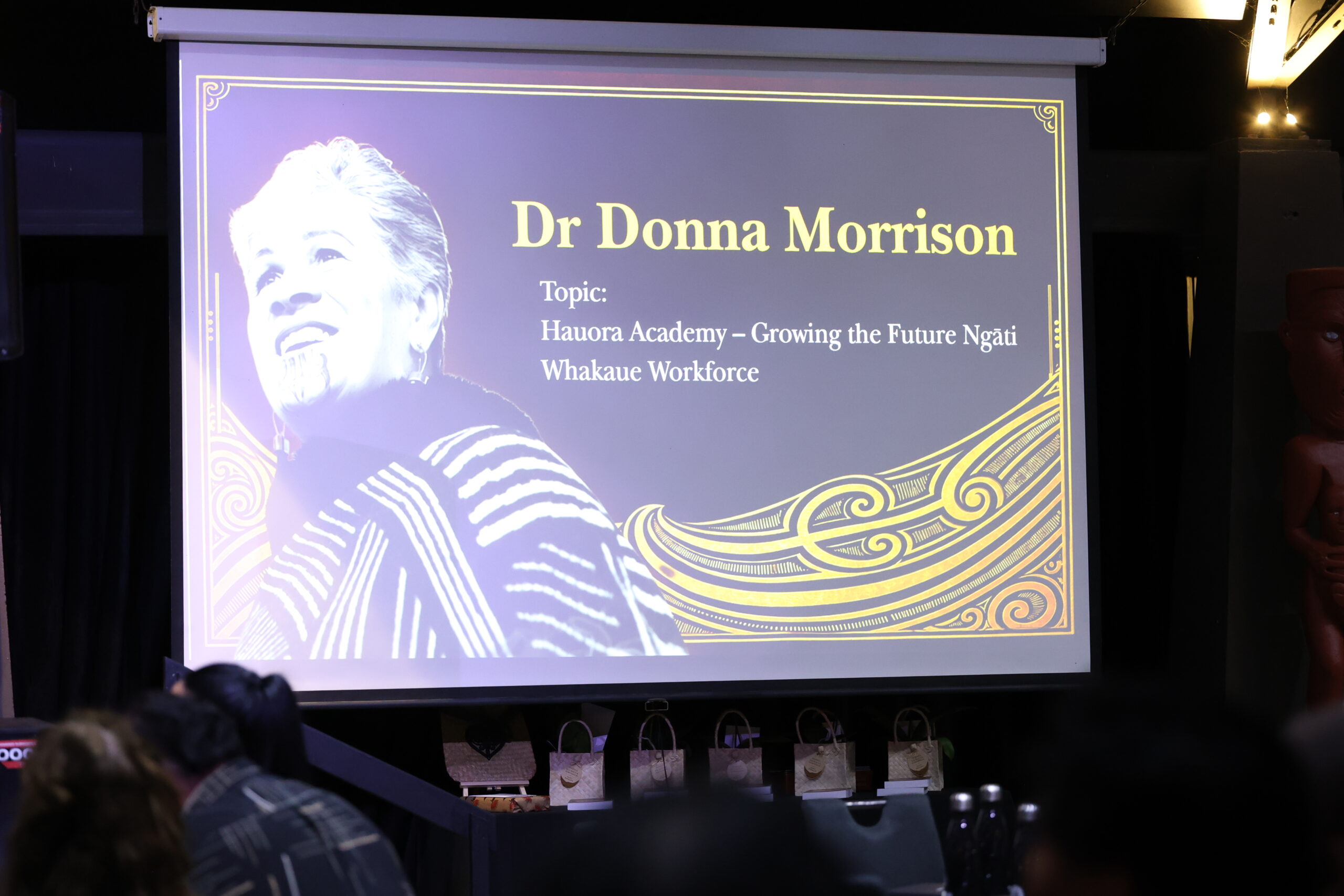
Dr Mariana Morrison’s aunty who bears the same name, Dr Donna Mariana Morrison, has established a Hauora Academy with a bespoke Level 4 Whānau Ora programme designed to grow rangatahi into health careers, building the next generation of the Ngāti Whakaue workforce from the ground up. It is one more strand of a collective response that spans research, workforce training, education, and iwi leadership. Dr Donna Mariana Morrison will speak at the symposium as Distinguished Speaker.
A collective response
The symposium serves a dual purpose: to feed whānau voice back to the iwi, and to socialise the concept of collectivism across all Ngāti Whakaue entities. This initiative represents one of six Ngāti Whakaue entities, and the evening will bring the wider iwi whānau together around a shared vision for kaumātua care.
Iwi Māori Partnership Boards from Moana a Toi, Tūwharetoa, and Waiariki will attend alongside commissioners looking at the model through a social investment lens, exploring what priorities align, what opportunities exist to partner with iwi, and what it would take to support this pilot to succeed.
“This requires a collective response,” Dr Mariana Morrison said. “Not just one consortium, not just one iwi, not just one commissioner. It requires all of us working together to address the demand that is ahead of us.”
The consortium already includes kaupapa Māori providers from Te Puke to Tūrangi, and the model is designed to be adopted and adapted by iwi in any region. Te Rau Ora provides the workforce backbone. Iwi and hapū lead. The design is shared.
The research is done. The model is designed. The consortium is formed. The entity is accredited and audited. The workforce strategy is in place. What this initiative needs now is investment. Dr Mariana Morrison is calling on funders, commissioners, and government to back an iwi-led solution that is ready to deliver, and she is available to talk to anyone who wants to be part of it.
ENDS
Media coverage
Rotorua Daily Post / NZ Herald
Waatea News (Dale Husband interview)
Related
Kaitiaki Nursing NZ (October 2025)
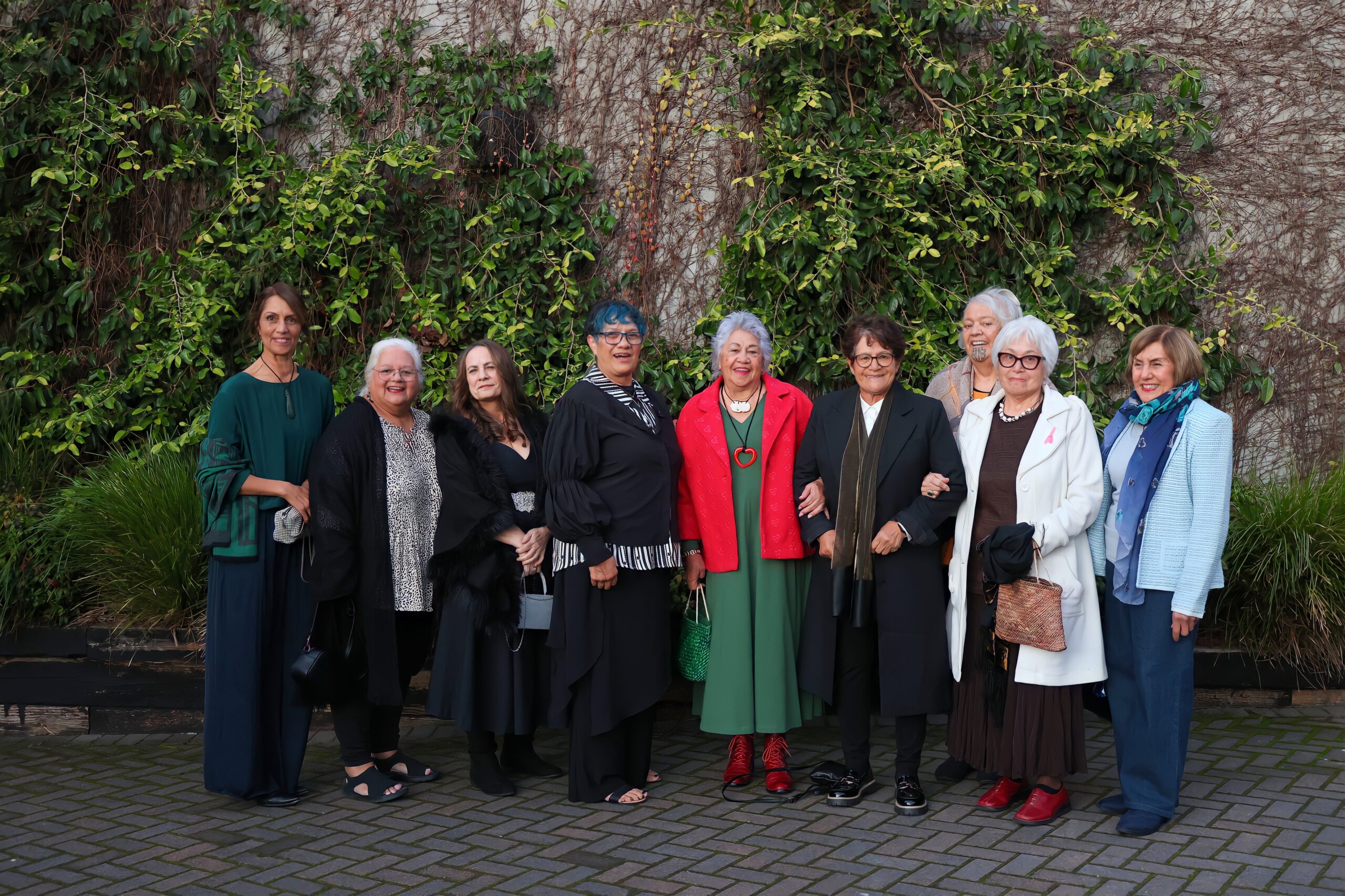
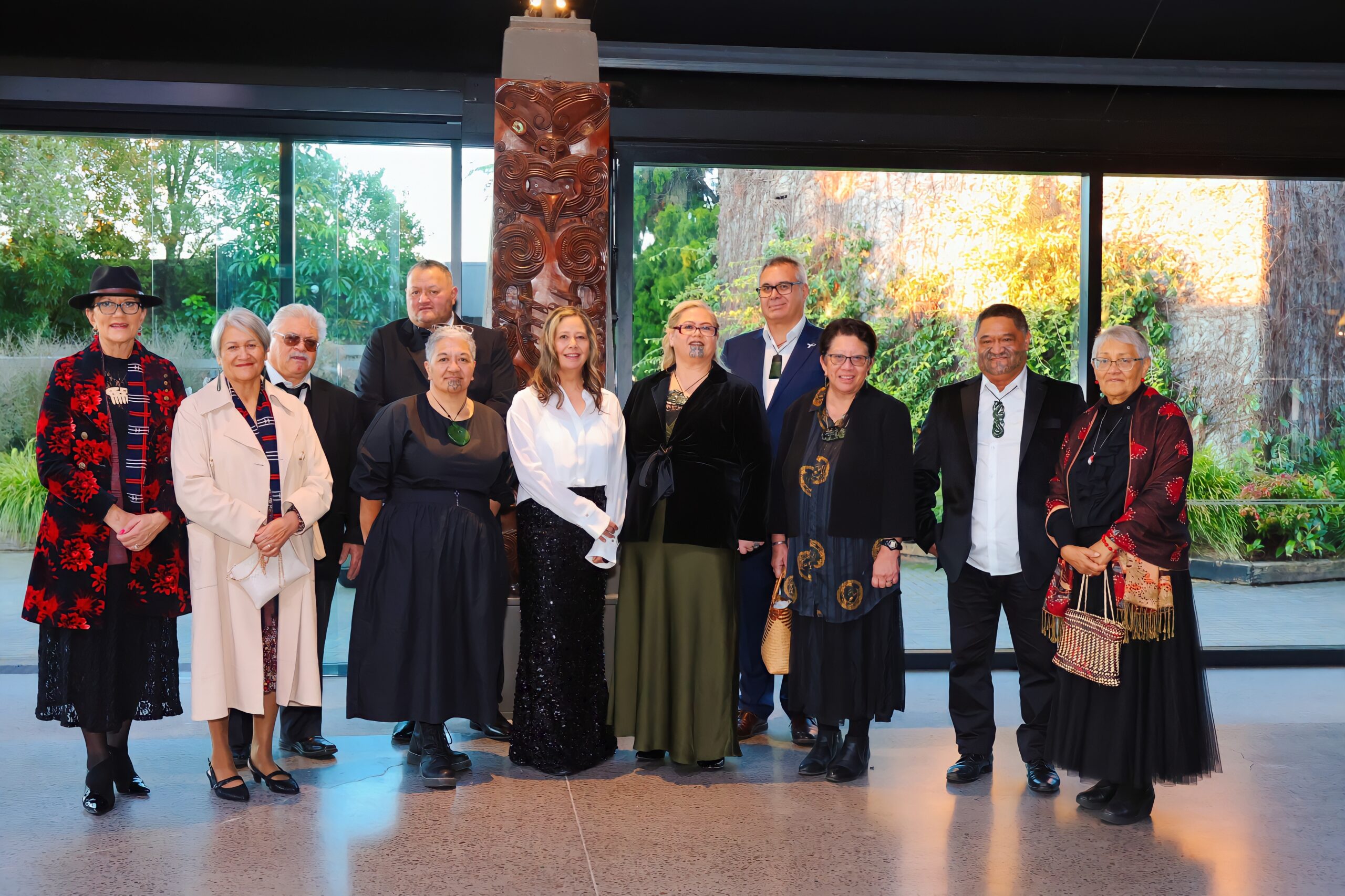
Photos: Liz Sturt, A Gifted View Photography
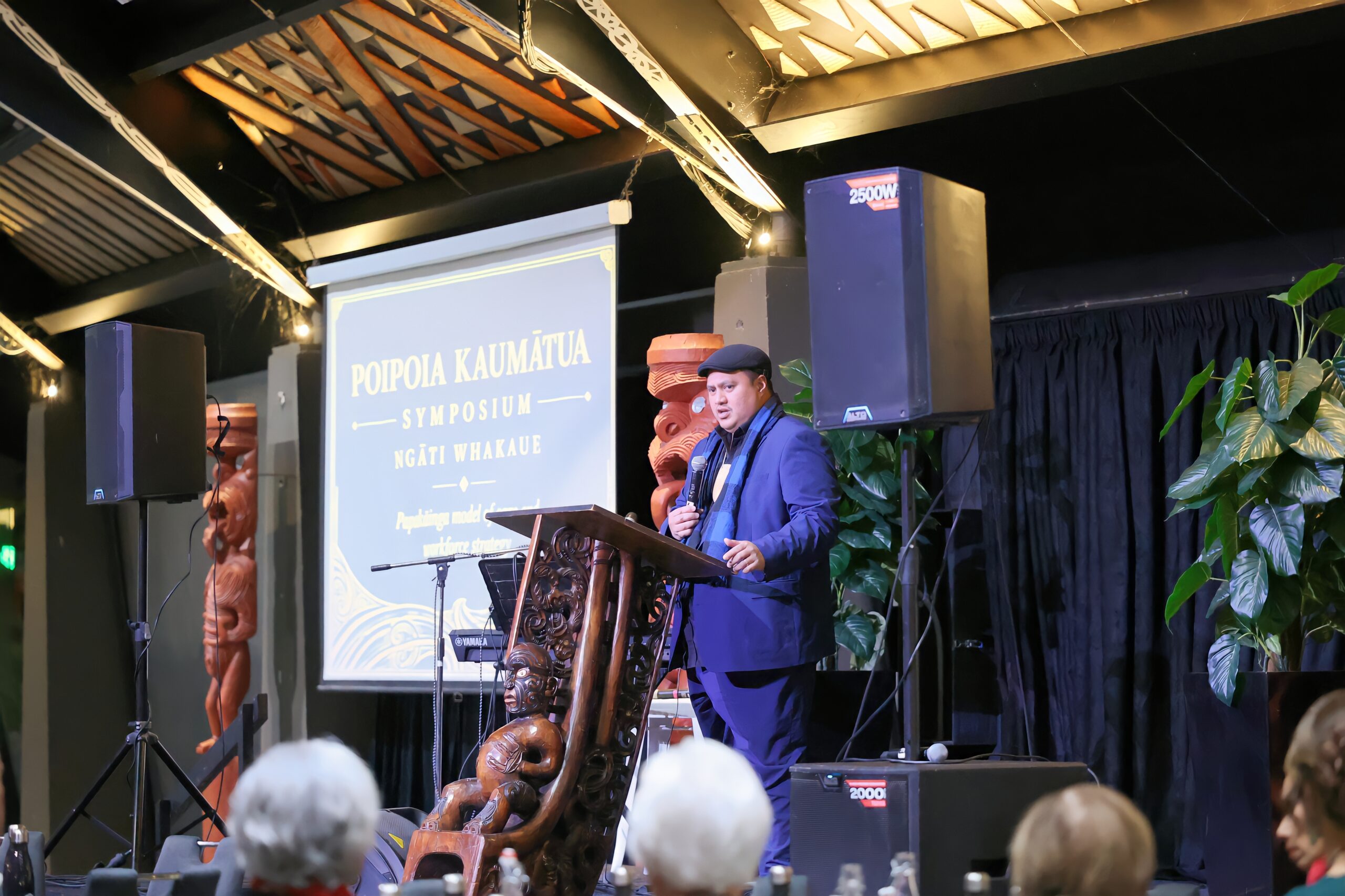
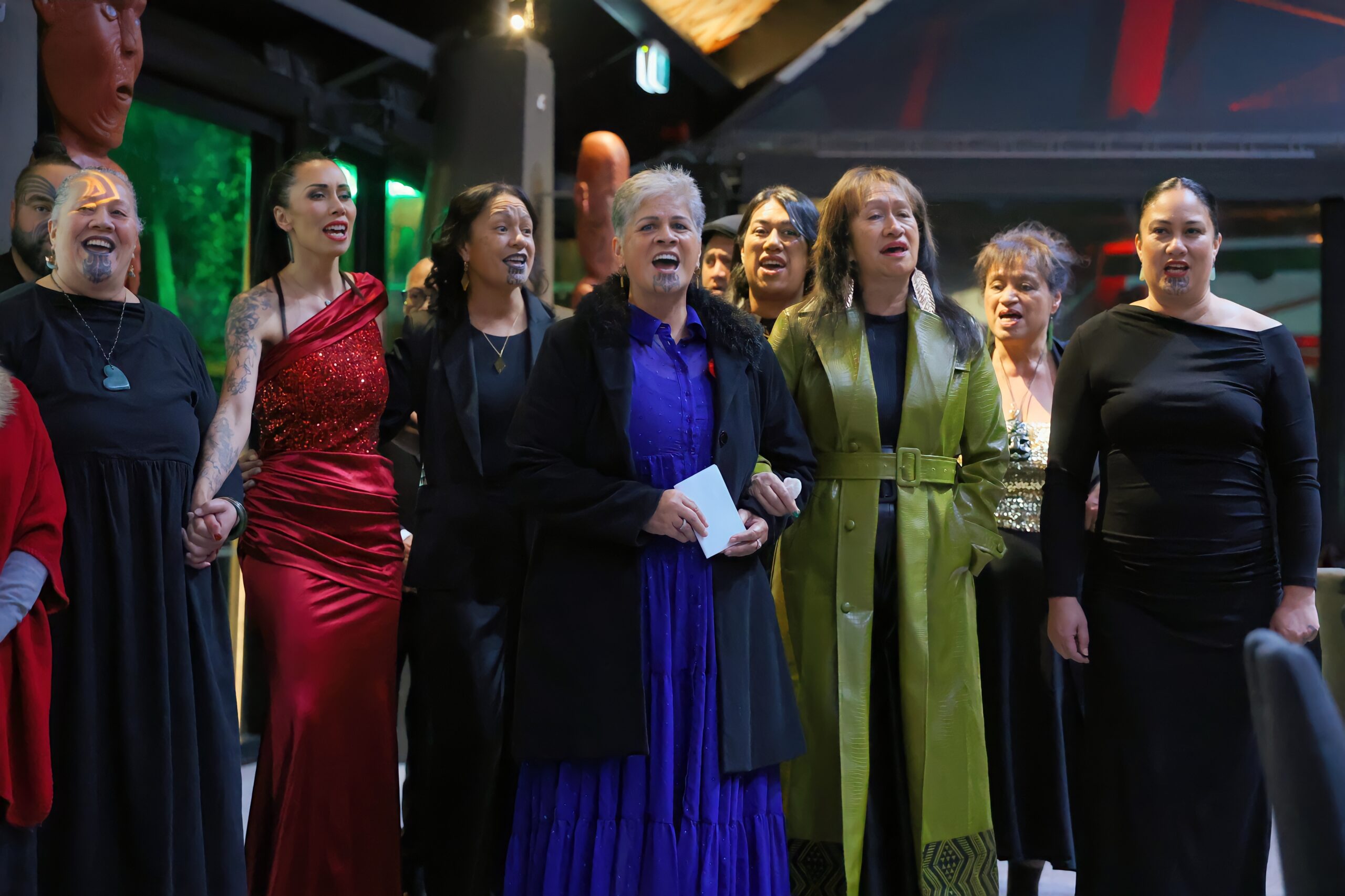
About the Poipoia Kaumātua Symposium
Papakāinga Model of Care and Kaumātua Workforce Strategy
- Date: Friday 19 June 2026 Time: 5:00pm to 8:30pm
- Venue: Te Puia, Rotorua Dress: Black Tie
- Programme: Whakatau, Presentations and Discussion, Hāngi Buffet Dinner, Performance
- Keynote Guest Speaker: Dr Tahlia Kingi
- Distinguished Speaker: Dr Donna Mariana Morrison
- Special Guest Performance: Howard Morrison Trio
- MC: Kereama Wright
Contact: Dr Mariana Morrison Mariana.Morrison@terauora.com

Media contact: 0212747755  Joshua.Brown@terauora.com
Interviews available: Rawiri Waru, Colin Bennett, Dr Mariana Morrison, Dr Donna Mariana Morrison, and Te Rau Ora Board representatives are available for interview by arrangement.