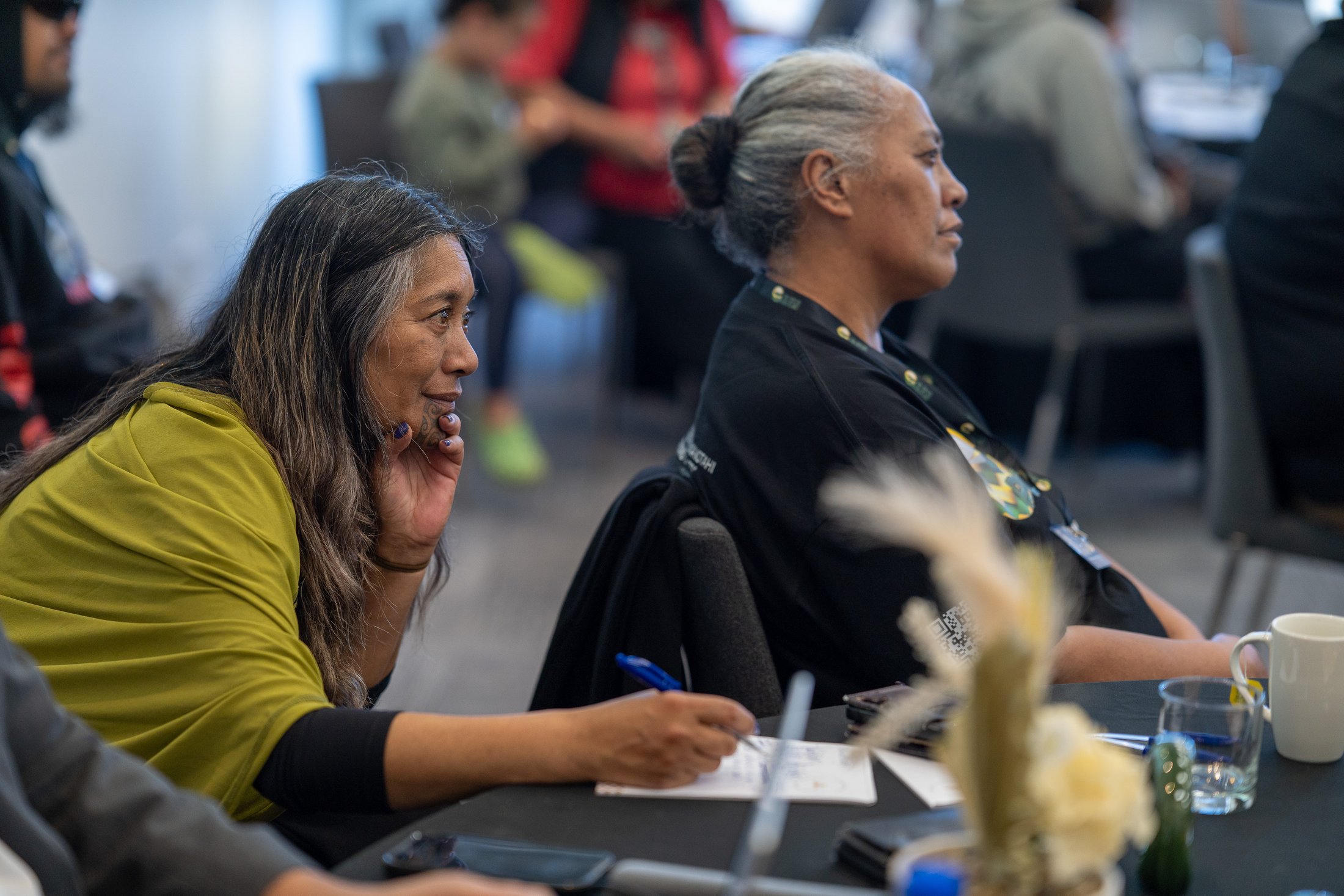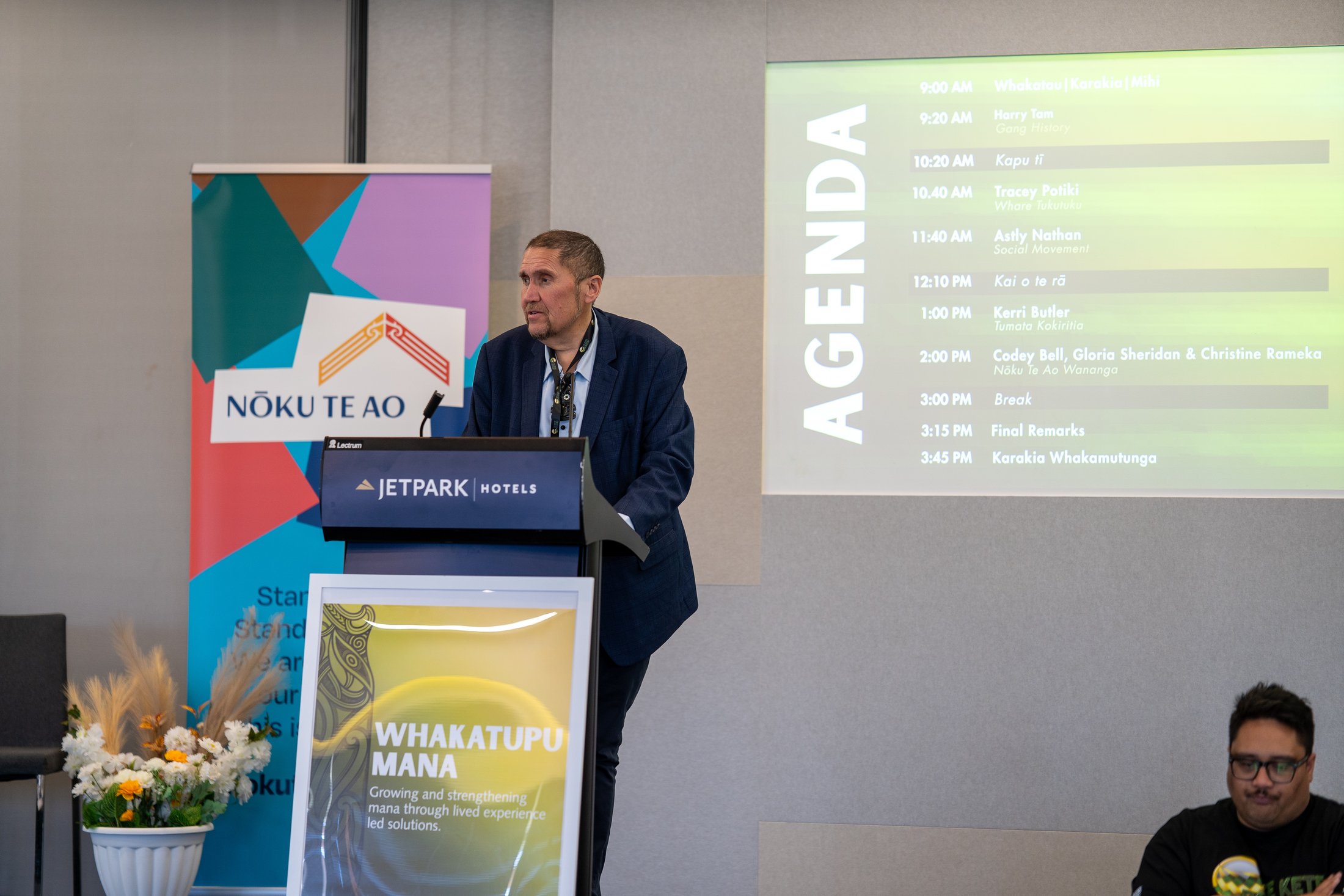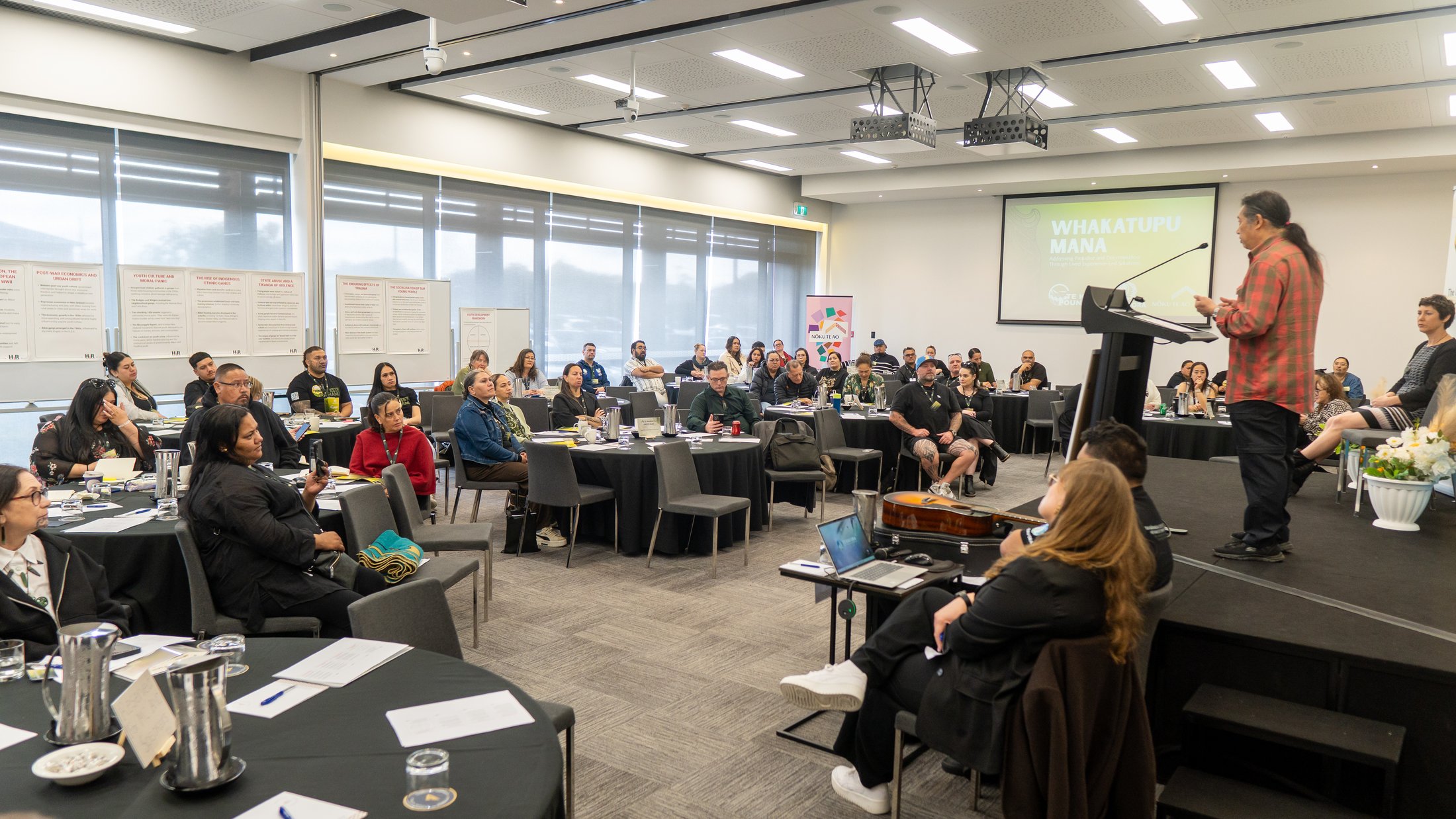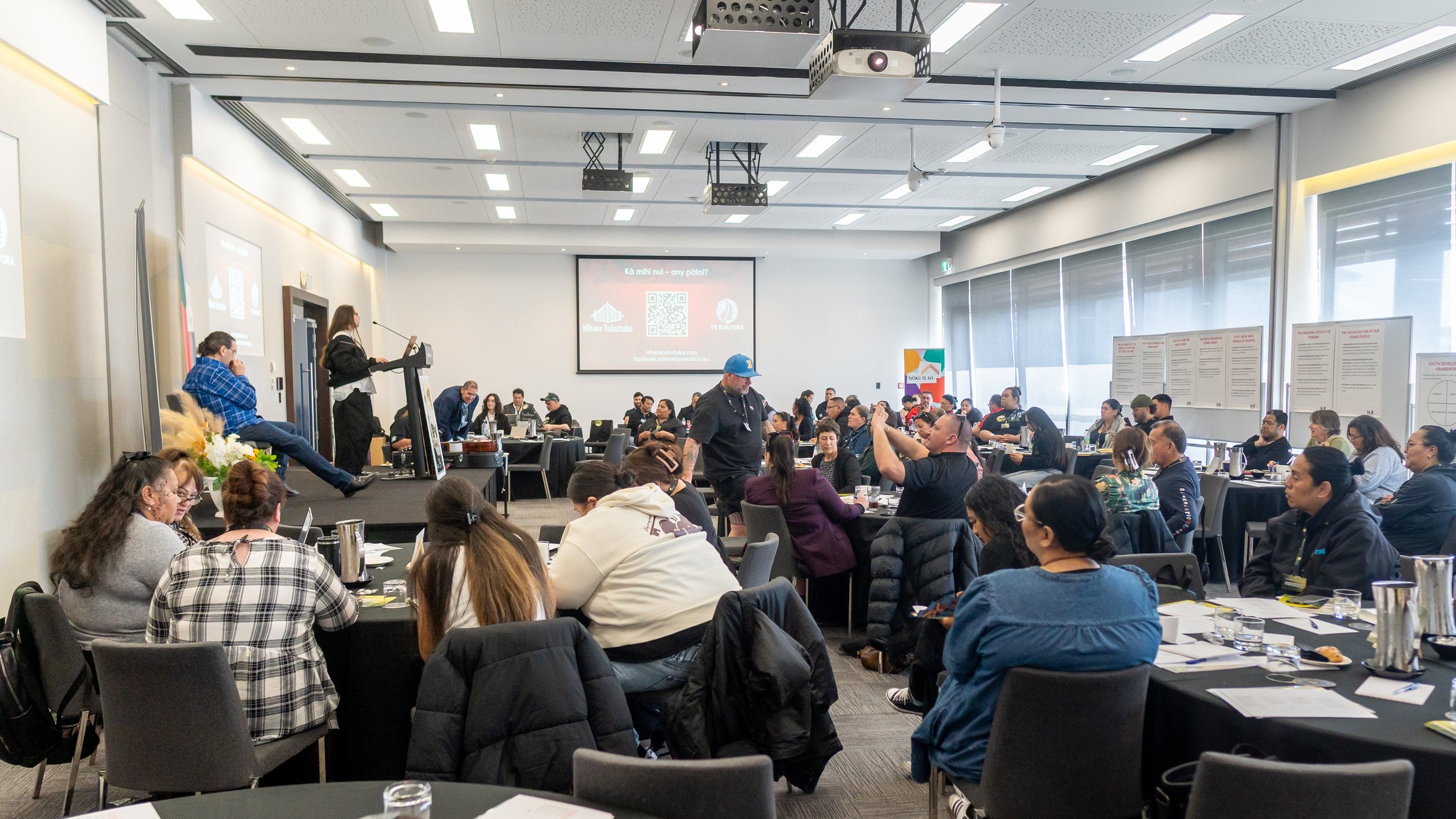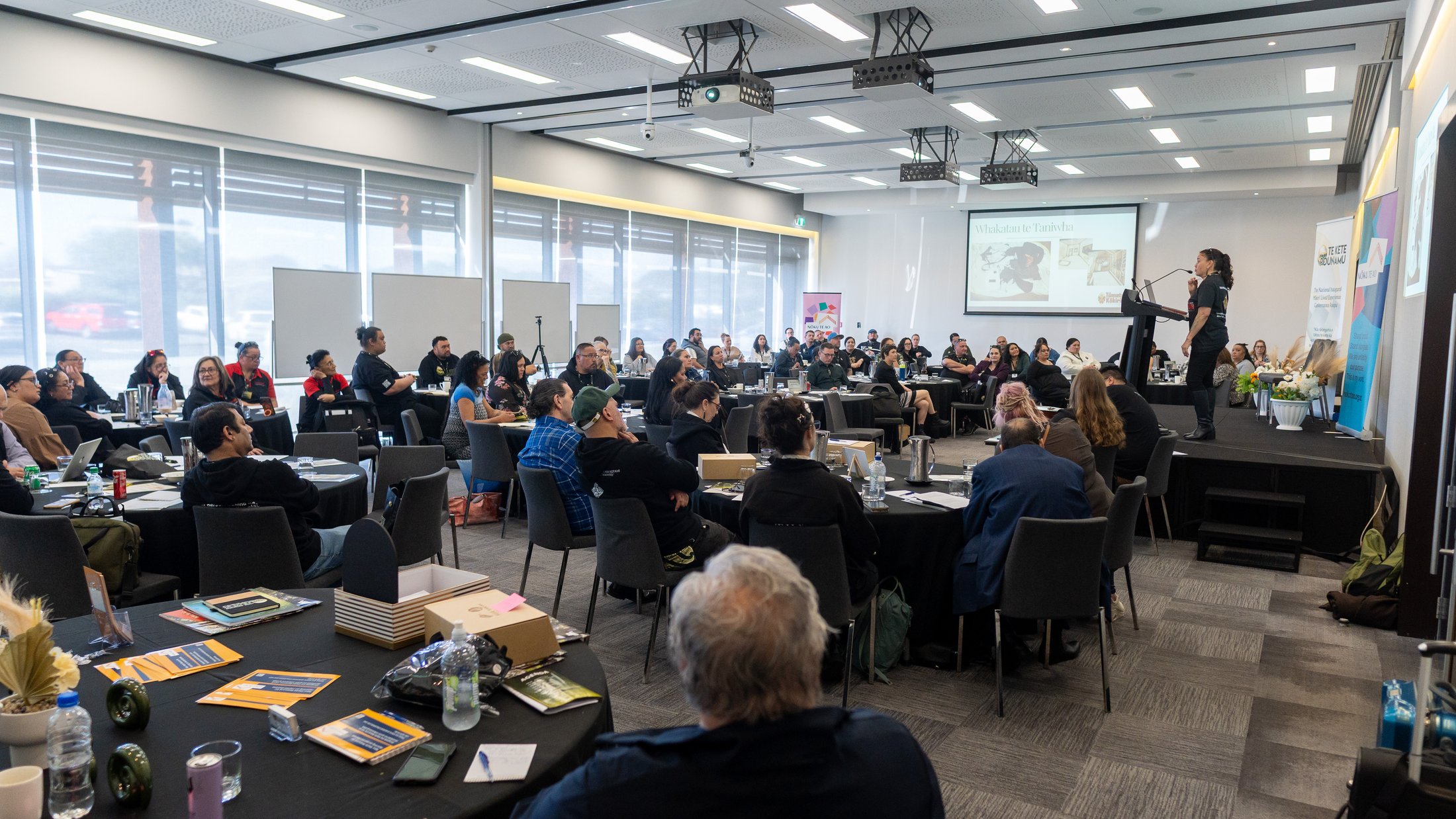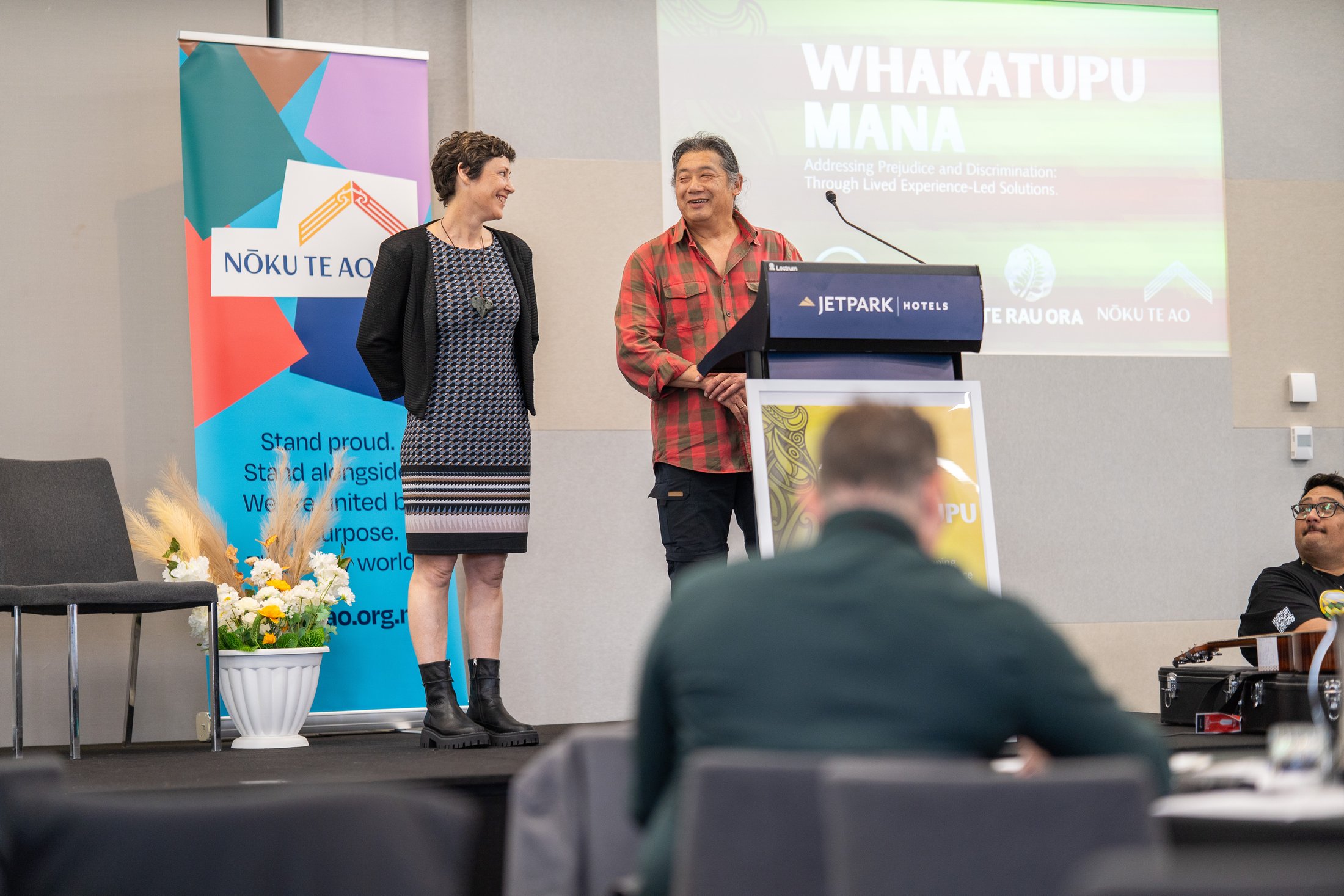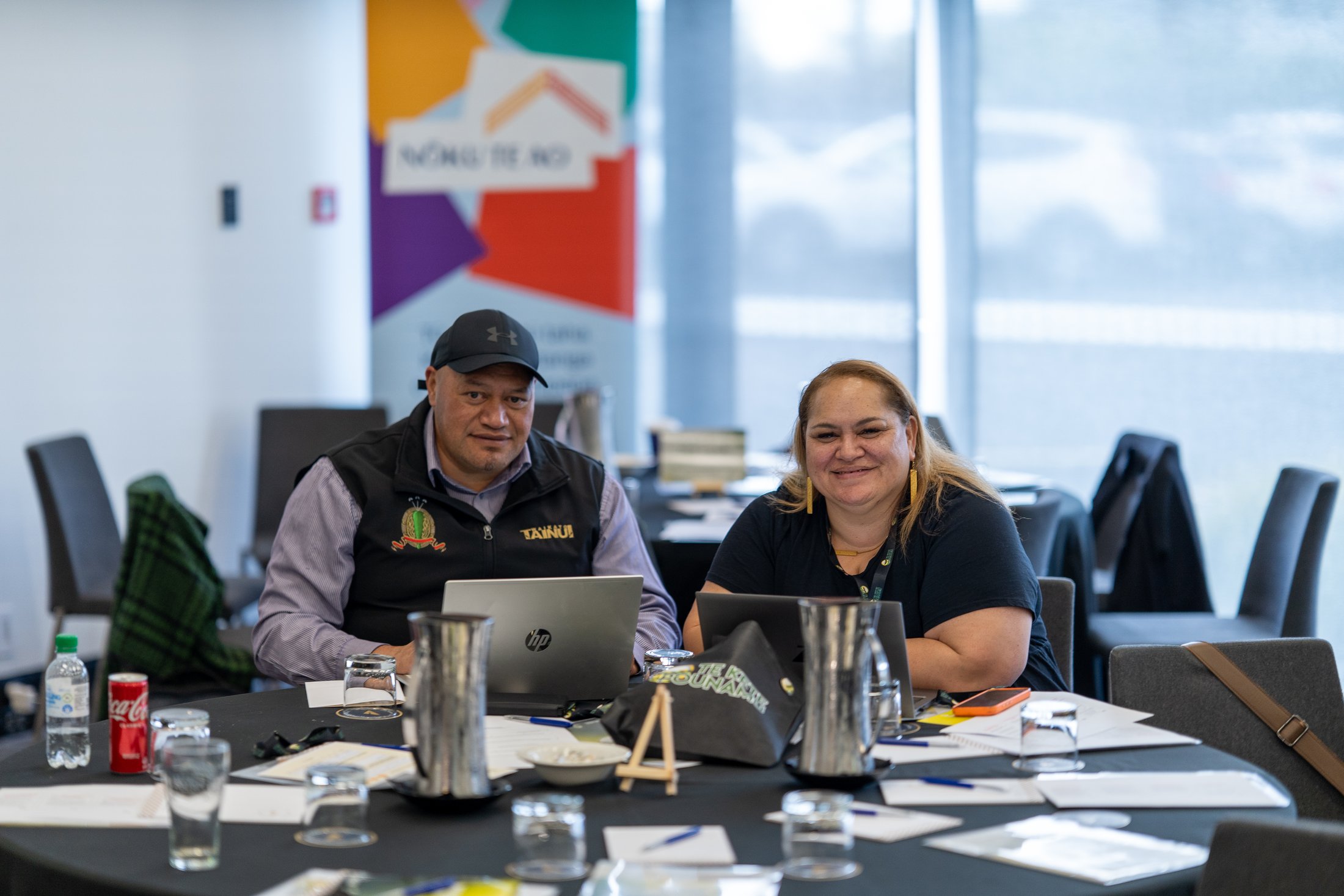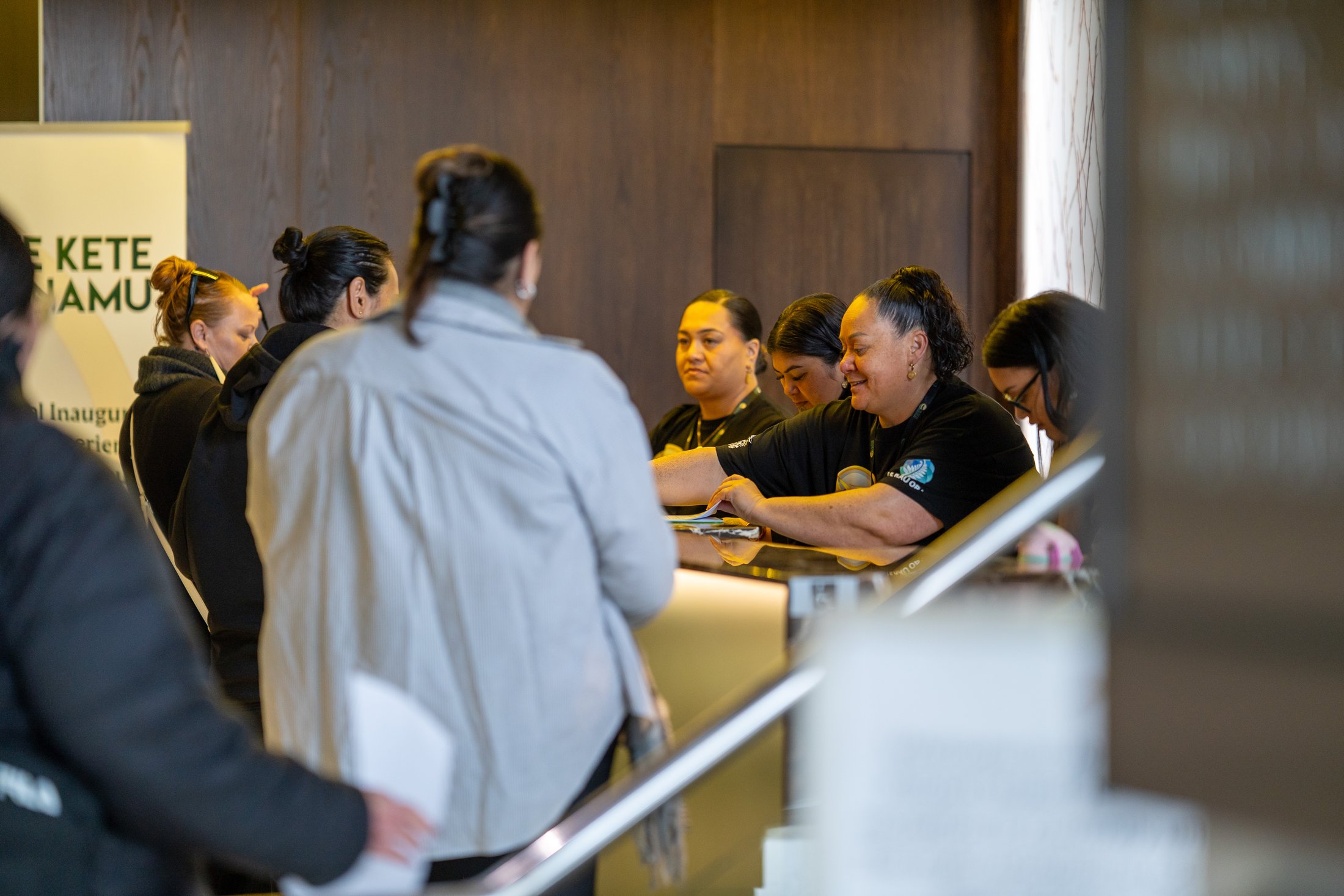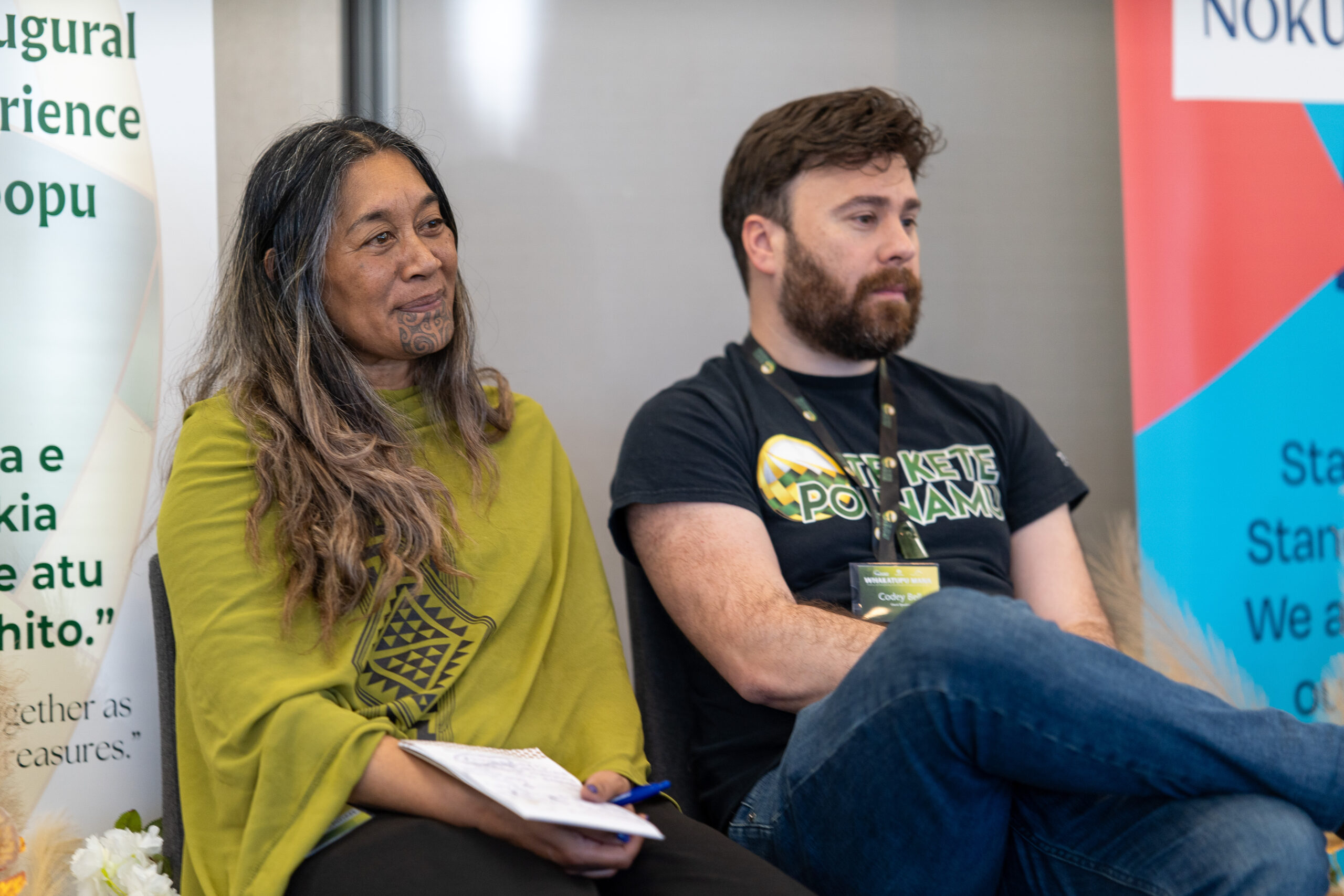
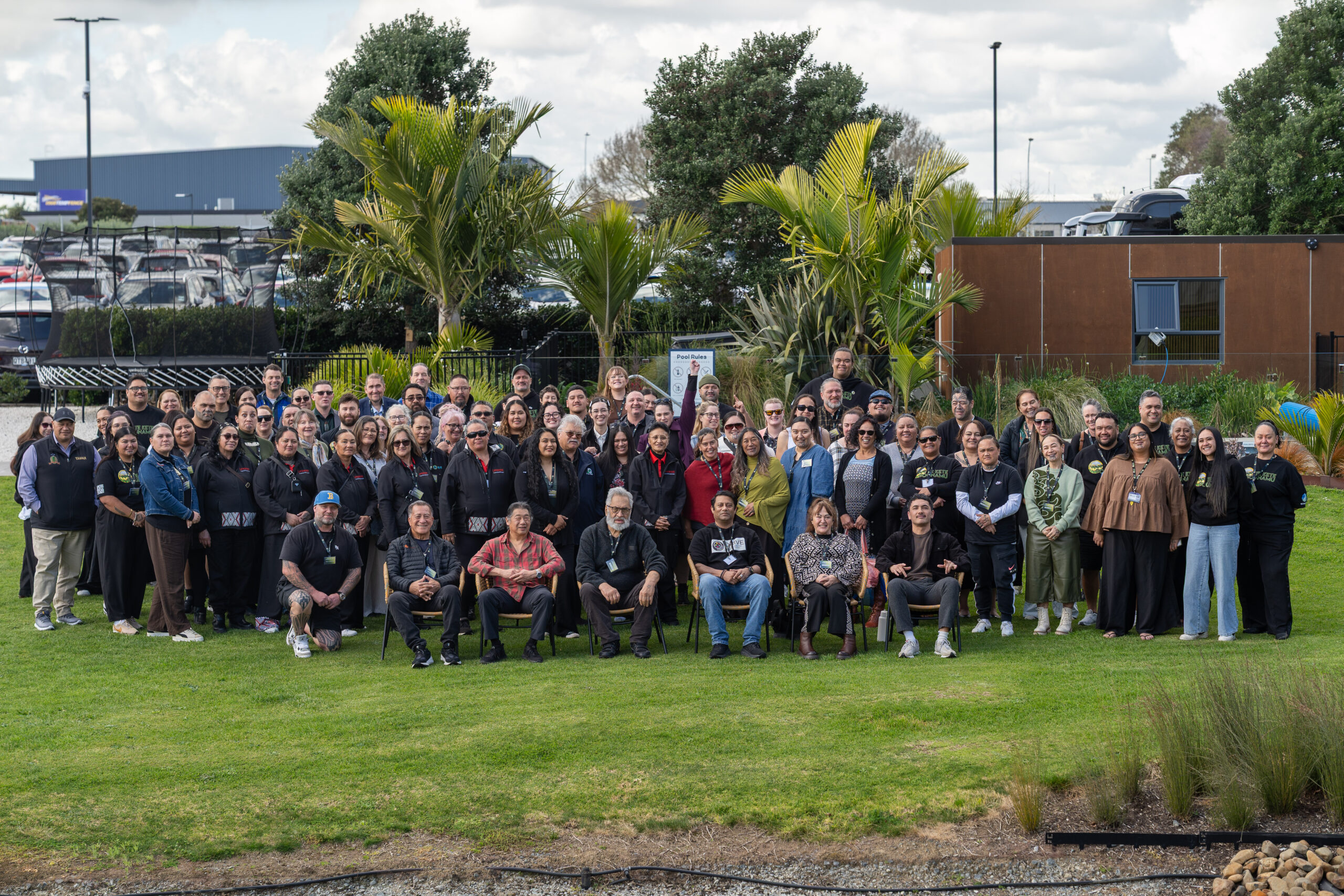
JetPark Hotel Auckland Airport, Tāmaki Makaurau — 27 August 2026
Whakatupu Mana brought Māori lived experience leaders together in Tāmaki Makaurau to confront institutional racism, prejudice and discrimination, and to demand action that whānau can see and feel.
“You cannot hold a system to account for something you will not name.”
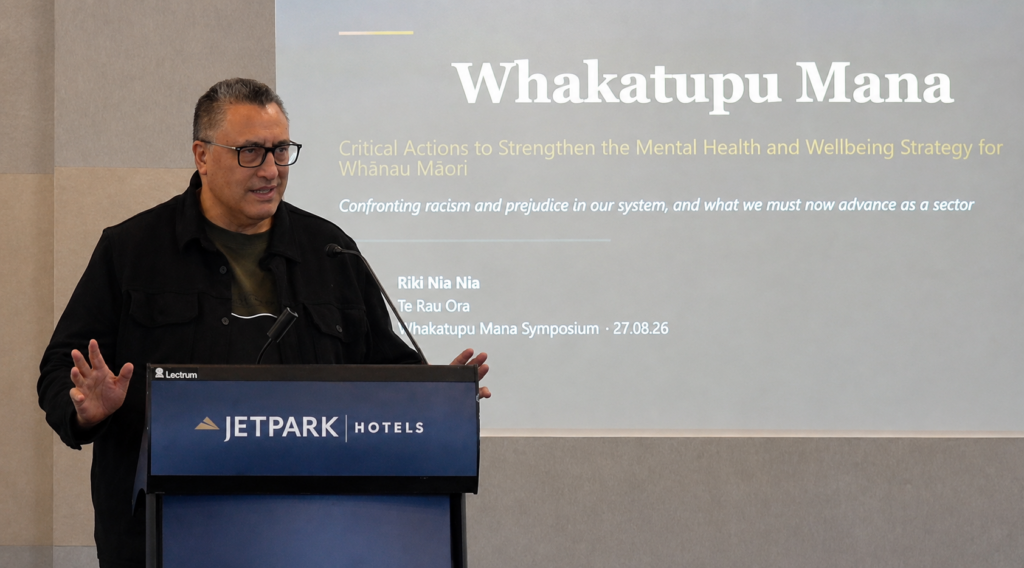
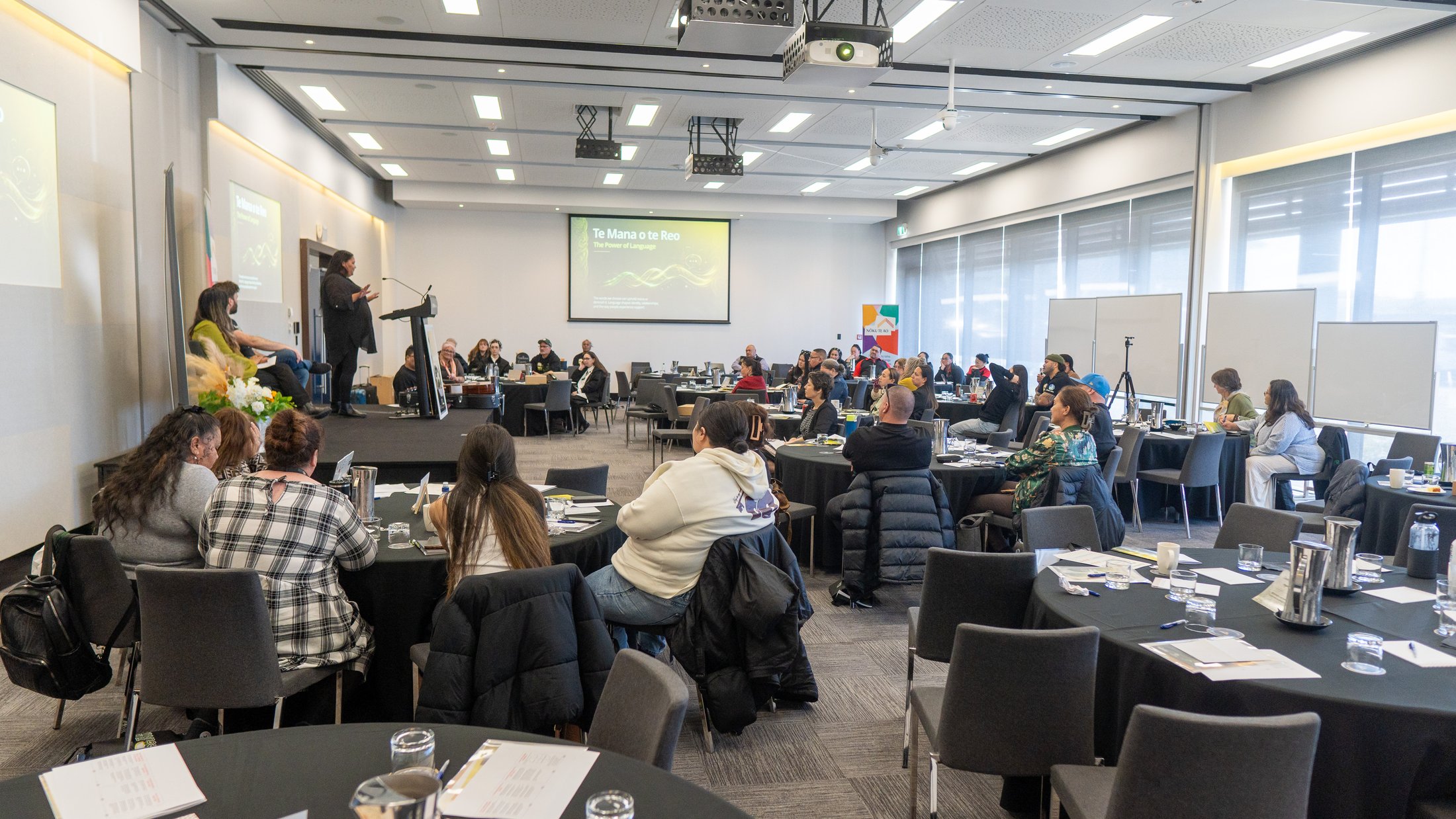
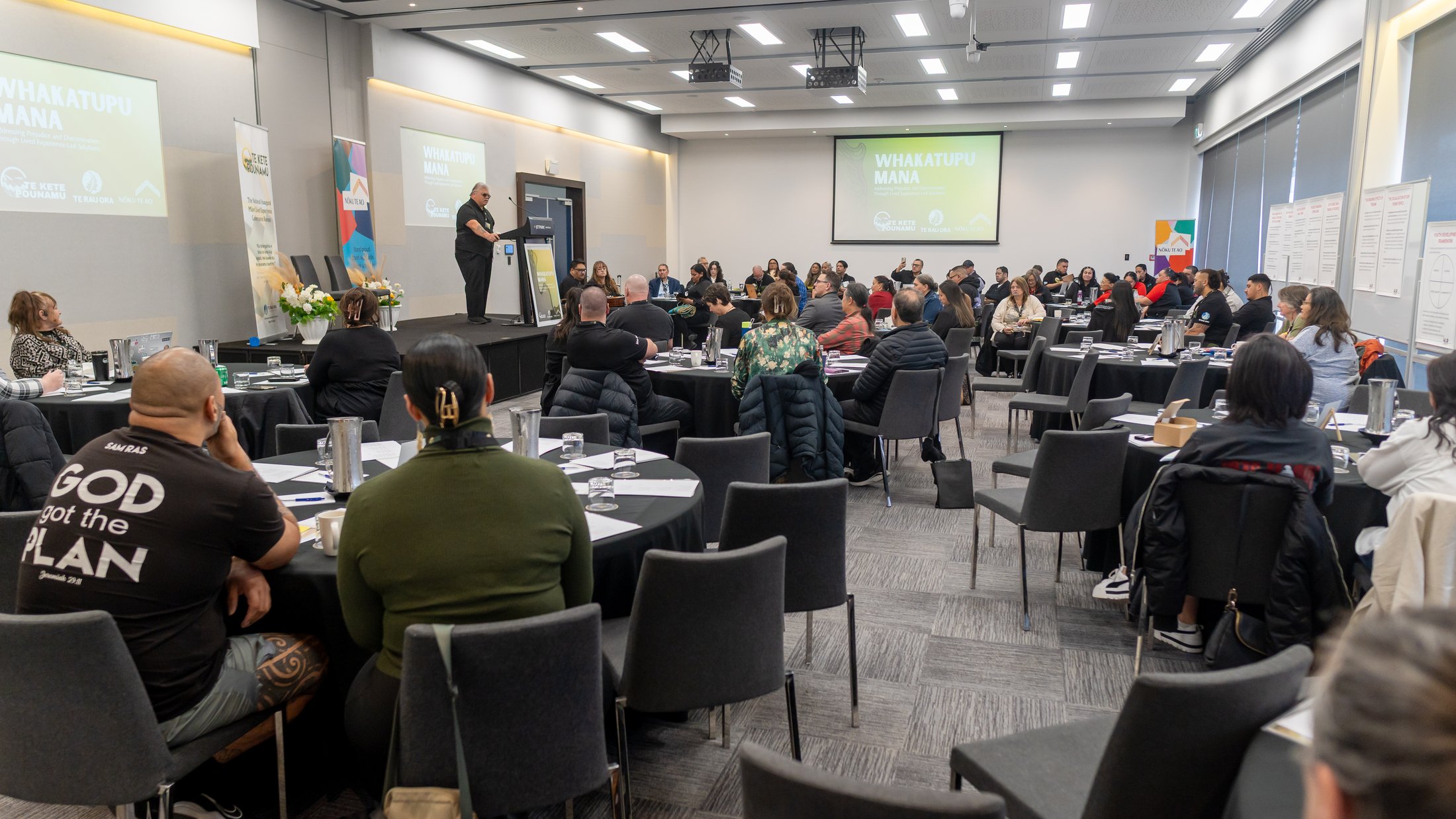
That was the challenge Te Rau Ora Chief Executive Riki Nia Nia put to the mental health and addiction sector at Whakatupu Mana, held in Tāmaki Makaurau on 27 August 2026. Hosted by Te Rau Ora, Te Kete Pounamu and Nōku te Ao partners, the symposium celebrated Māori lived experience leadership while confronting the prejudice and discrimination that continue to shape care.
Across the day, speakers showed how institutional racism and stigma enter the system through policy, language, drug criminalisation, restrictive practices, inequitable access and the failure to recognise lived experience as expertise.
A system must name what it intends to change
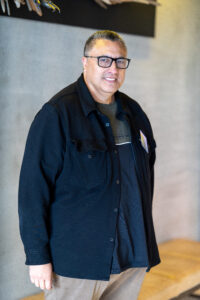
In his closing address, Riki acknowledged the Mental Health and Wellbeing Strategy 2026–2036 and the Māori Health Strategy 2026, Whiria Te Ora, as important platforms for change. Both strategies recognise priorities Māori communities have advanced for many years, including prevention and early intervention, workforce development, Māori leadership, accountability and more responsive services.
But Riki warned that recognition on paper was not enough. “A commitment that is not resourced, not measured and not governed is not yet a commitment. It is an intention,” he said. He called for institutional racism to be explicitly named and measured, Māori shares to be set within prevention and workforce targets, and Māori authority to be embedded in commissioning, investment, data and accountability.
Access must also be understood through the reality experienced by whānau, particularly those living in rural communities or travelling significant distances for care. “A door you cannot afford to reach is still a closed door,” Riki said.
His Whakatupu Mana Action Framework set out six pou for assessing whether change is strong enough and Māori-led enough: Mana Motuhake, Mana Whānau, Mana Tangata, Mana Mahi, Mana Taurite and Mana Raraunga.
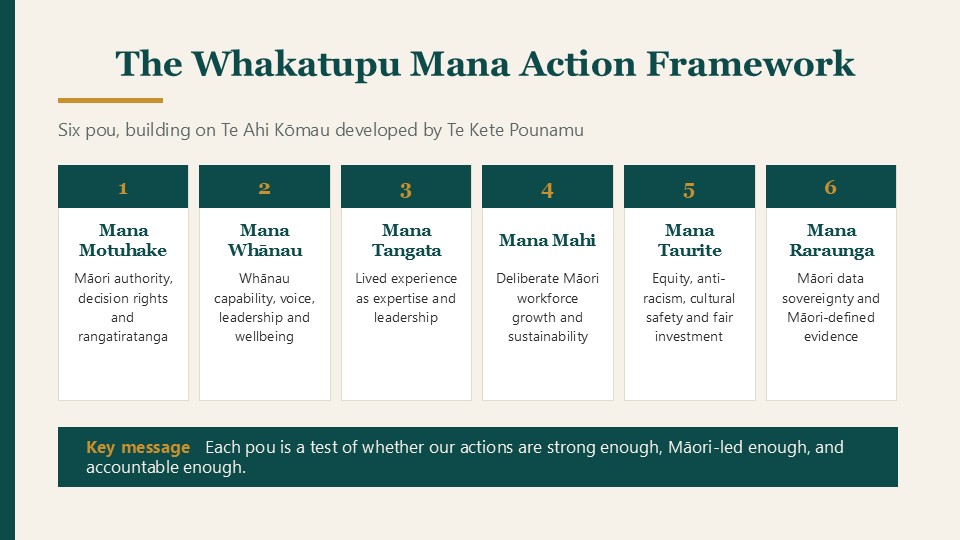
Together, the pou place authority, whānau leadership, workforce development, anti-racism, lived expertise and Māori data sovereignty at the centre of implementation. “Lived experience is not feedback. It is expertise.”
The system seen from many angles
The challenge to the system was carried throughout the symposium.

Harry Tam opened the speaker programme by locating gang violence within its historical and political context. His kōrero explored how colonisation, policy and social conditions have shaped the health, violence and self-harm experienced by hard-to-reach whānau.
Harry brought nearly 50 years of work alongside gang communities, including in prisons, and almost two decades in public policy to the discussion. His session connected that history with work to support whānau, challenge harmful behaviours in meaningful ways, and build lasting resilience and wellbeing.
Understanding that whakapapa, he argued, is essential if services are to move beyond crisis intervention.

Tracey Potiki, Kaiwhakahaere of Whare Tukutuku, presented alongside her husband, Tuari Potiki, a member of the Te Rau Ora Board. Together, they challenged punitive responses to alcohol and other drug harm and showed how Indigenous values and practices have long protected people, whānau and communities.
Tracey called for Indigenous-led care grounded in an understanding of colonisation, structural racism and intergenerational trauma. “We reject the notion that we are a problem to be solved or fixed and instead assert our role as part of the solution,” she said.
Her presentation highlighted the need to resource the cultural responsibilities Māori kaimahi carry alongside their other work. Whare Tukutuku called for stable funding, stronger support for lived experience practitioners and less administrative pressure, so the workforce can focus on whānau and provide care grounded in Māori healing practices.
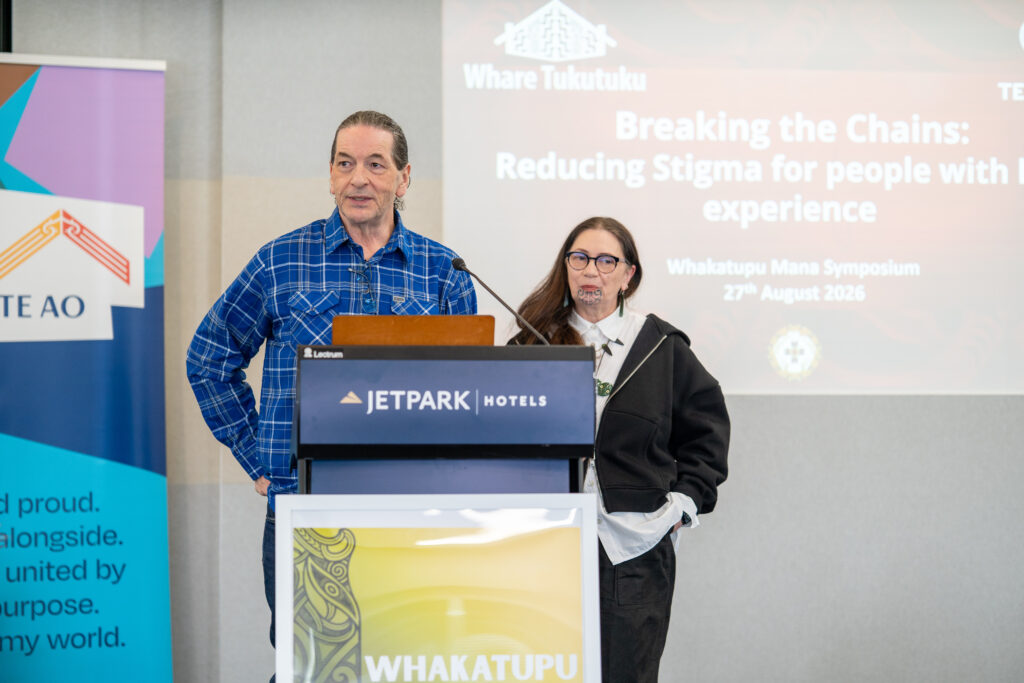
Tuari explored Māori values that can underpin harm-reduction practice, including manaaki, tika, pono, aroha, kotahitanga and mana motuhake. He also challenged the sector to reconsider the language it uses for the knowledge people gain through their own lives.
He described how hui hosted by Te Rau Ora and the New Zealand Drug Foundation drew on lived and living experience to develop values for harm reduction. In practice, these mean meeting people with dignity, supporting changes they choose for themselves and offering support without requiring them to stop using substances.
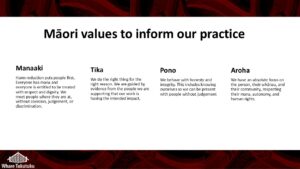
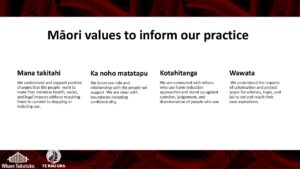
“Let’s change ‘lived experience’ to ‘lived expertise’. Experience just means you have been through something. Expertise is the knowledge you have gained from it,” he said.
From social movement to collective action

In a separate presentation, Astly Nathan traced the development of the Nōku te Ao social movement, from the foundations of Like Minds, Like Mine to regional symposiums, community resources and Social Action Grants.
His presentation highlighted initiatives including Me Haere Ngātahi Tātou, Wayfinding Through Stigma and Inside a Young Person’s Mind. It also showed how Social Action Grants have enabled lived experience groups, whānau, marae and communities to turn local ideas into practical action.

Codey EY Bell then presented the whakapapa of Nōku te Ao, showing how Māori lived experience leadership, collective organising and courageous truth-telling have grown into a national movement challenging prejudice and discrimination.
His kōrero traced the journey from collective voice to collective action and reinforced a central message of the symposium: transformation begins when lived experience is trusted to lead. That focus on collective power then moved into the everyday systems where language, records and assumptions shape a person’s care.
Who holds the pen holds the power
Christine Rameka presented the work she and Hine Matthews have been developing and delivering together through Nōku te Ao wānanga across Aotearoa. Although Hine was unable to attend the symposium, the session carried their shared mahi and the learning gathered through their work with kaimahi and communities across the motu.

Christine invited participants to examine how language, bias, assumptions and documentation can either uphold or diminish the mana of the people receiving support.
Clinical descriptions recorded during one difficult moment can follow someone through multiple services. Words such as “aggressive”, “difficult” or “non-compliant” can be treated as fact, shaping how future kaimahi approach whānau before hearing their perspective.
The session highlighted the responsibility held by those writing notes, assessments and referrals. Who holds the pen holds the power.
Looking beyond what is immediately visible
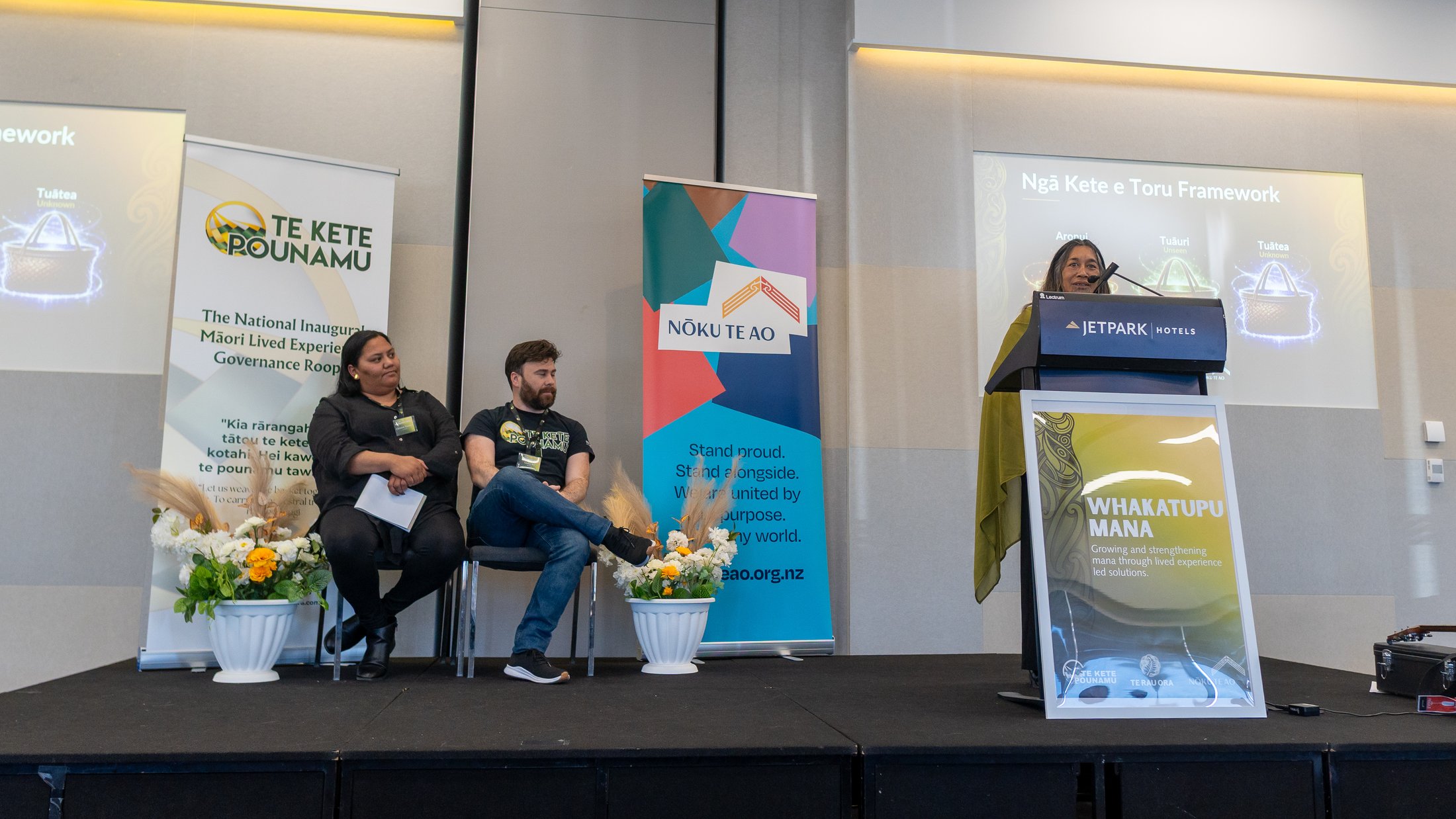
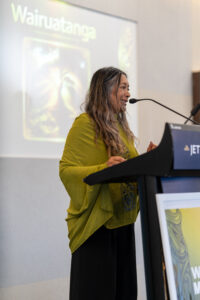
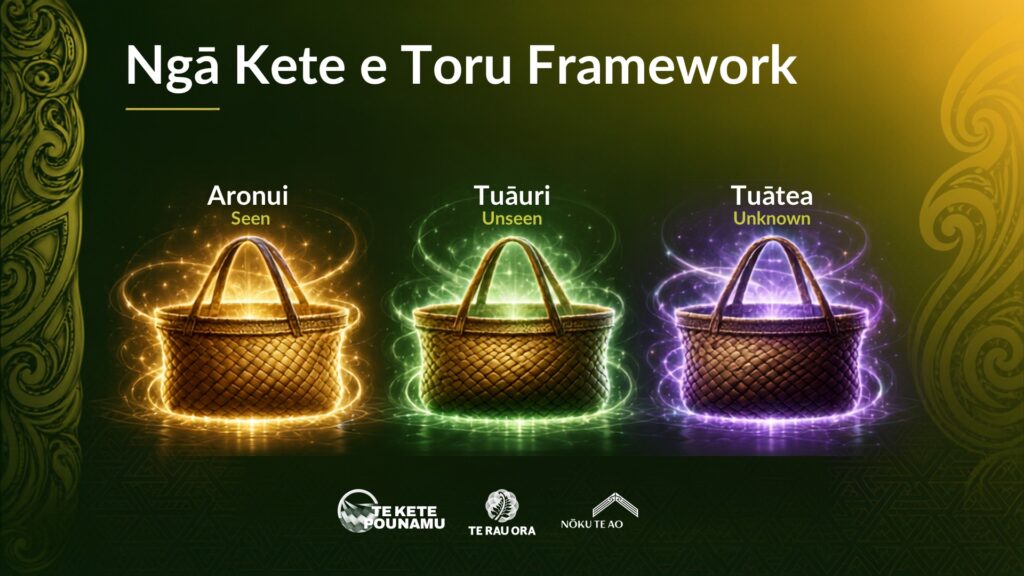
Te Kete Pounamu Manager Gloria Sheridan then presented wairuatanga and the Ngā Kete e Toru framework, which are also part of the kaupapa Christine and Hine deliver through the Nōku te Ao wānanga.
The framework encourages kaimahi to consider three dimensions:
- Aronui — what is seen
- Tuāuri — what is unseen
- Tuātea — what remains unknown
Whakapapa, wairuatanga, previous encounters with services, whakamā, grief, strengths and aspirations may all sit beneath what is immediately visible.
The framework asks kaimahi to remain curious, distinguish observation from interpretation and recognise that one appointment or moment of distress cannot tell the whole story of a person.
Together, the presentations showed how widening the lens can create more respectful, culturally grounded and mana-enhancing care. That same commitment to mana-enhancing care framed the symposium’s challenge to restrictive practices.
Ending restrictive practices

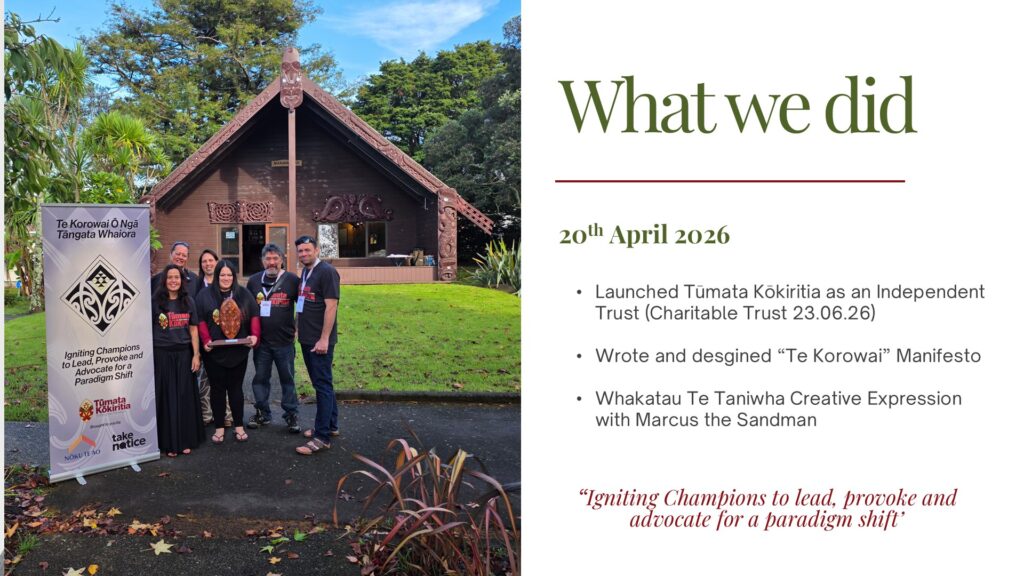
Kerri Butler traced the whakapapa of Tūmata Kōkiritia and Te Korowai Ō Ngā Tāngata Whaiora, a lived experience-led movement calling for the elimination of seclusion and restrictive practices.
The kaupapa began at Mataatua Marae in 2017, where Māori with lived experience, whānau and kaimahi came together to identify what needed to change and how Māori leadership would drive that change.
Its manifesto challenges practices that remove mana, interpret Māori taonga through a deficit lens and inflict cultural, cumulative and intergenerational harm. In their place, it advances healing grounded in tino rangatiratanga, mātauranga Māori, manaaki and kotahitanga.
More than a decade of Māori lived experience leadership
Whakatupu Mana also celebrated a movement built over more than a decade.
In 2014, more than 400 Māori leaders with lived experience came together from across Aotearoa to develop a national voice. Their priorities included eliminating restrictive practices, confronting institutional racism and ensuring Māori perspectives shaped the services and systems affecting Māori wellbeing.
Te Kete Pounamu was formally launched in 2015. Since then, its national and regional networks have created spaces for Māori with lived and living experience to connect, organise, influence policy and grow the peer workforce.
Whakatupu Mana showed how that collective voice has developed into sustained action across workforce development, education, community mobilisation, harm reduction and system advocacy.
It also made clear that the next phase cannot be another round of listening without transferring power, resources and authority.
“The next decade cannot be defined only by whether Māori were heard,” Riki said. “It must be defined by whether we made a positive difference.”
Whakatupu Mana did not ask the sector simply to admire the courage of lived experience leaders. It asked the sector to act on their expertise.
That means naming racism, investing in Māori leadership, changing harmful practice and being accountable for whether transformation reaches whānau.
Te Puna is the news and publishing channel of Te Rau Ora. For enquiries, contact comms@terauora.com.