Further, faster, together: Indigenous health leaders from Taiwan visit Te Rau Ora
Kirikiriroa, Hamilton.
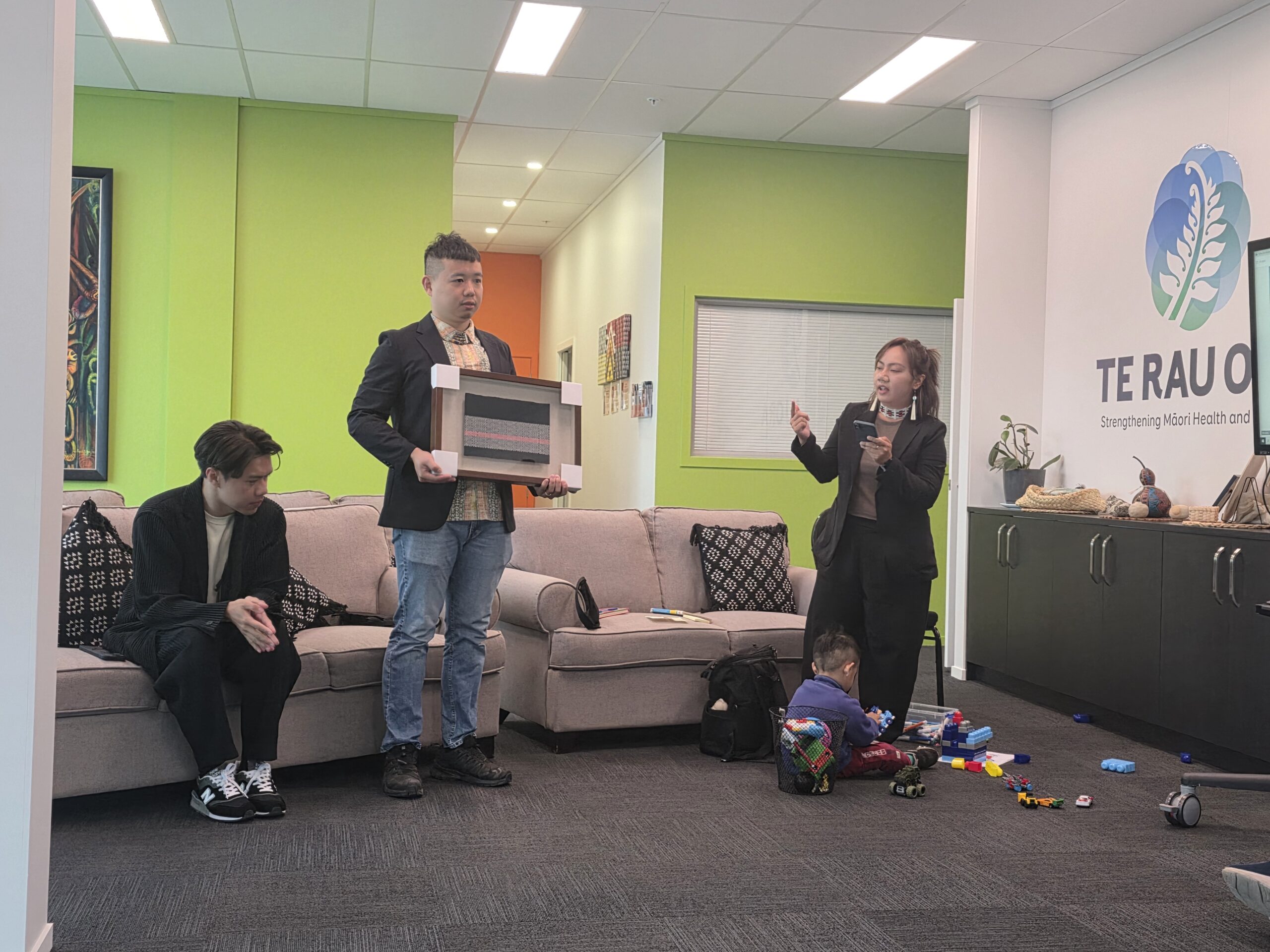
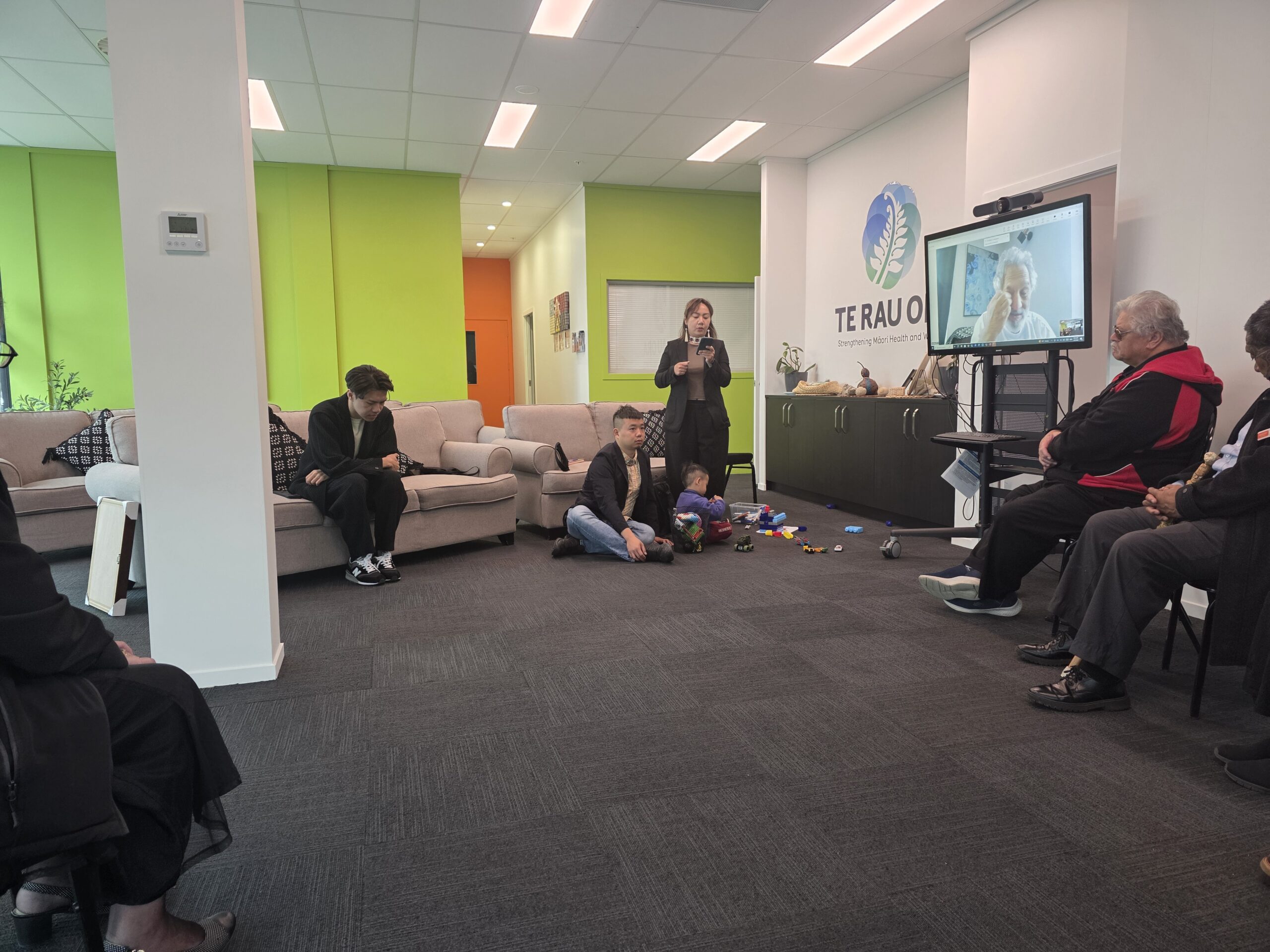
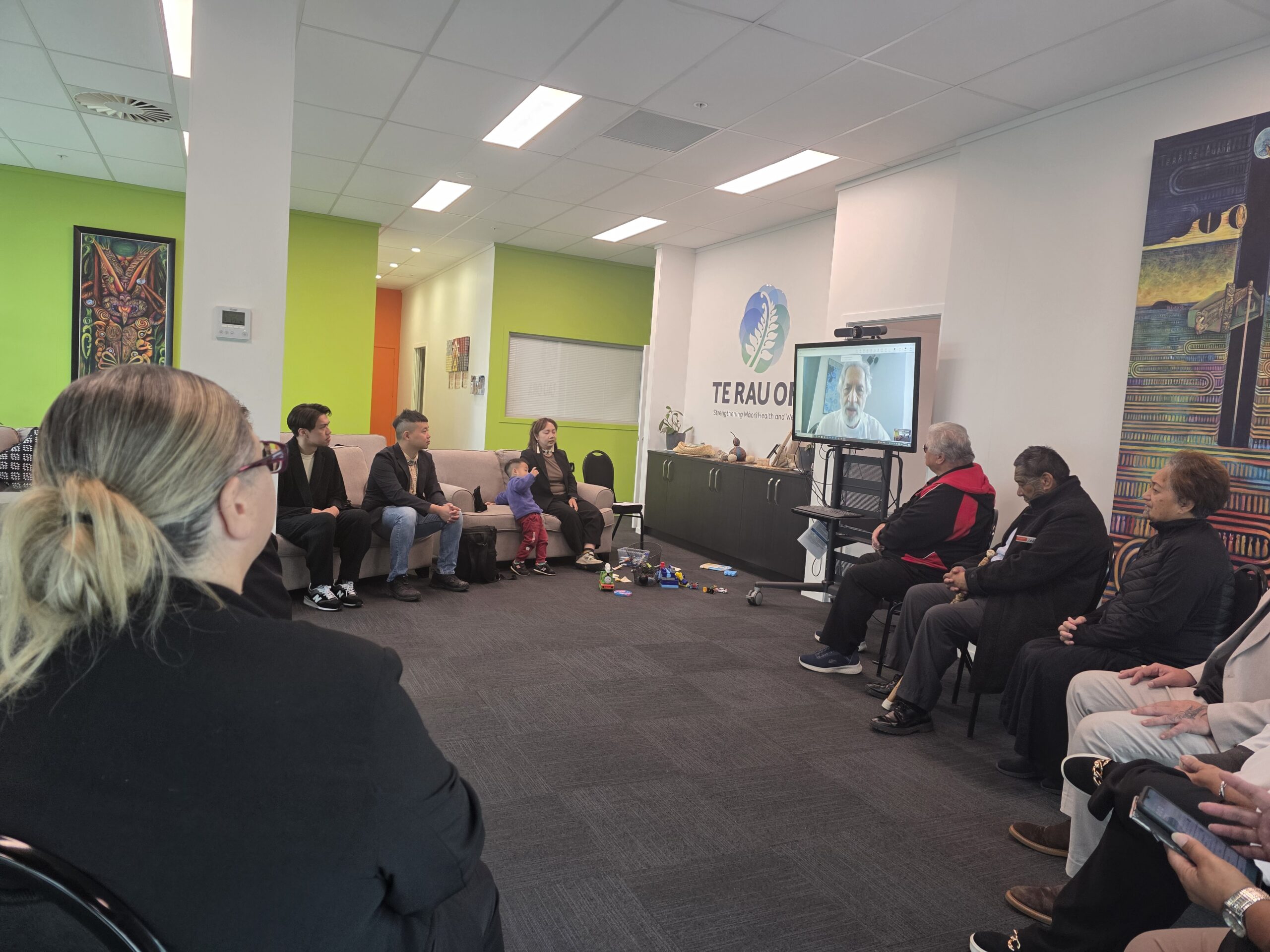
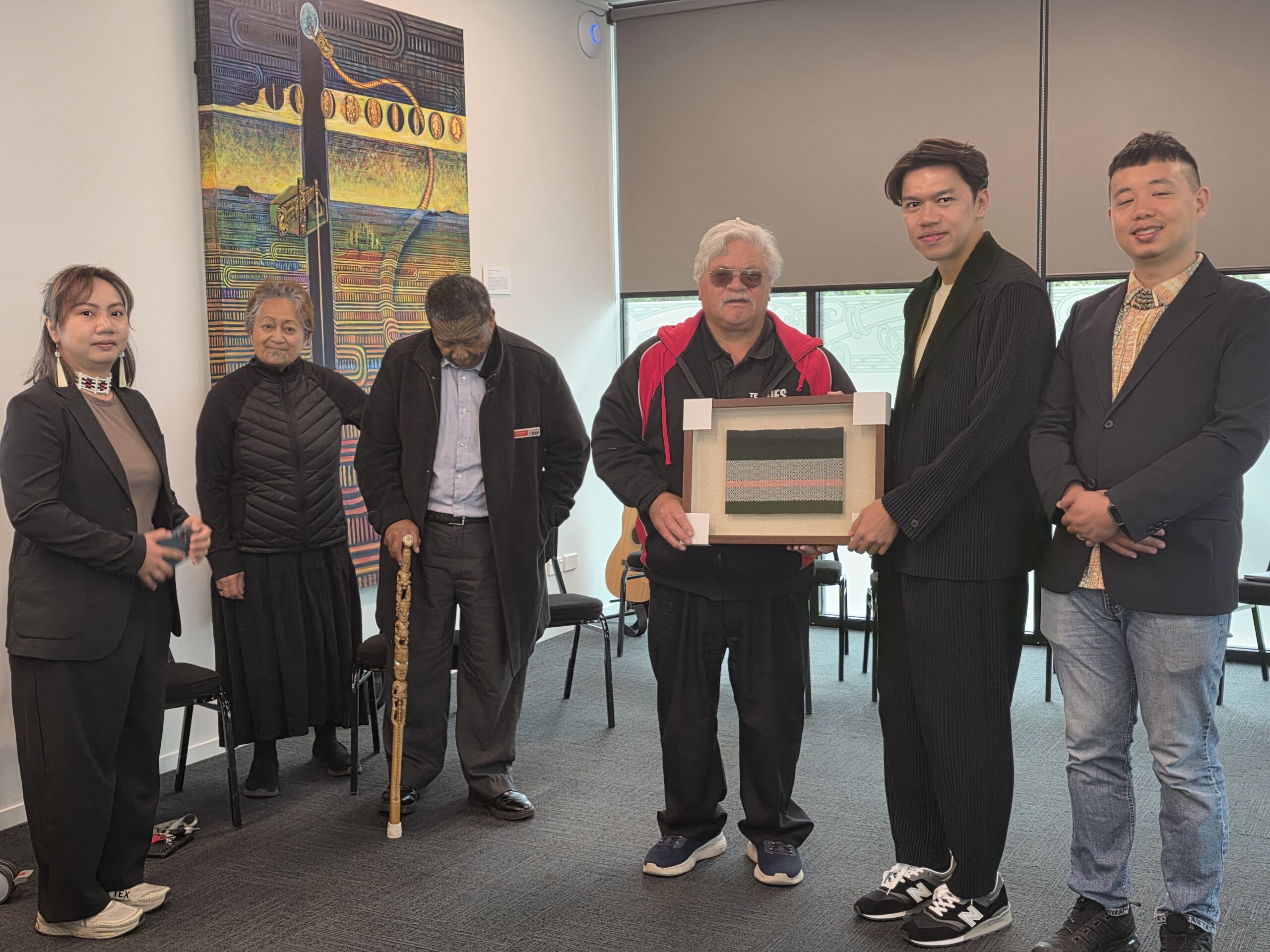
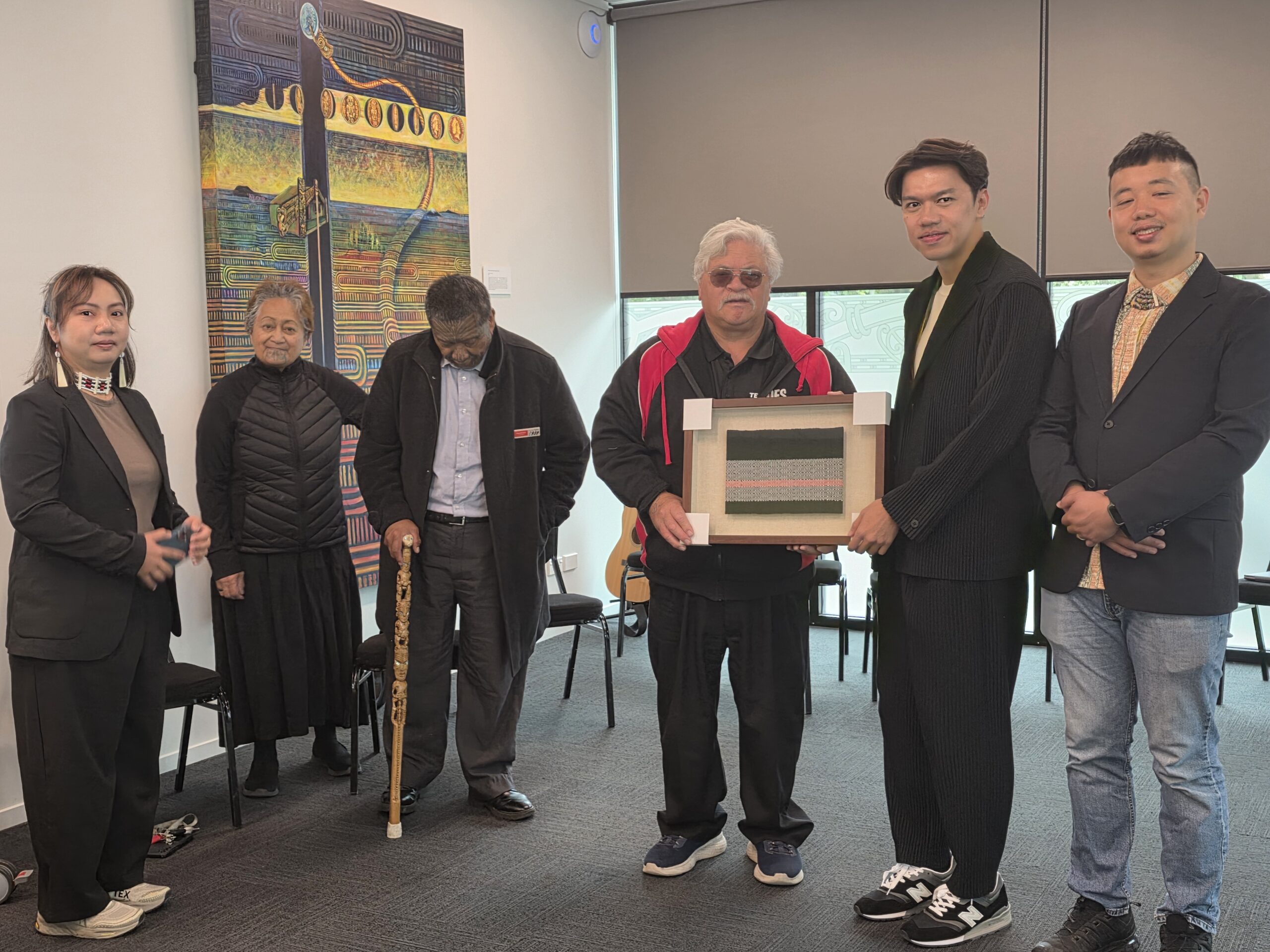
On 7 April 2026, Te Rau Ora welcomed three Indigenous health leaders from Taiwan to Kirikiriroa for a learning exchange focused on health workforce development, leadership, governance and Indigenous self-determination. The visit brought together clinical, academic and community health experience from Taiwan and Aotearoa. It created space to share knowledge, explore common challenges and strengthen relationships between Indigenous health leaders across the region.
Riki Nia Nia, Chief Executive of Te Rau Ora, said these relationships allow Indigenous peoples to learn directly from one another.
“The most important thing when we are talking with our Indigenous whānau partners from across the world is that we will get further, faster, together.”
Knowledge grounded in community
The delegation included:
Dr Ta-Chun Hua, Family Physician and Teaching Lead at Puli Christian Hospital, Taiwan. At the time of the visit, Dr Hua was completing a Master of Public Health at the University of Auckland, focusing on Māori and Indigenous health workforce policy and system development across Aotearoa and Taiwan.
Dr Kalesekes Kaciljaan, a Paiwan Indigenous scholar and Assistant Professor in the Indigenous Culture Industry and Social Work Programme at National Chi Nan University, Taiwan. She holds a PhD in Public Health from the University of Hawai‘i, with research encompassing Indigenous elder care, community health, decolonisation, Indigenous health sovereignty and Indigenous knowledge systems.
Dr Ngilriw Tarudralumu, Director and Physician at Laiyi Township Health Center, Taiwan. Dr Tarudralumu holds a Master of Public Health from National Cheng Kung University and brings extensive experience in rural Indigenous health and community-based primary care.
Together, the delegation brought perspectives from frontline rural health services, tertiary education, Indigenous research and community development.
Why the delegation approached Te Rau Ora
The visit began with an approach from Dr Hua on behalf of the delegation. They saw Te Rau Ora as an independent Māori-led organisation with experience in health workforce development, leadership cultivation and strengthening Māori health system structures.
In their request, the delegation explained that many Indigenous health workforce initiatives in Taiwan operate within mainstream academic or government institutions. They wanted to understand how Te Rau Ora maintains organisational autonomy while working alongside government, funders and sector partners.
They were particularly interested in how Te Rau Ora:
- cultivates and supports Māori health workers and leaders across disciplines
- builds sustainable workforce pipelines and career pathways
- identifies priorities for Māori health workforce training and development
- mentors and sustains the next generation of practitioners, researchers and leaders
- ensures Māori values, aspirations and community priorities remain central to its mahi
Their intention extended beyond learning about individual programmes or outcomes.
“Our intention is to learn with care and respect, not only from your programmes and outcomes, but from your governance model, leadership approach, relational accountability and commitment to Māori self-determination,” Dr Hua wrote on behalf of the delegation.
They hoped the exchange would help them contribute thoughtfully to strengthening Indigenous health workforce systems in Taiwan.
An exchange grounded in respect
May Pritchard, Director, Innovation at Te Rau Ora, supported the visit from its earliest stages.
“Their request is grounded in humility and tikanga-aligned intent,” May wrote when recommending that Te Rau Ora host the exchange.
She described the visit as closely aligned with the strategic direction of Te Rau Ora and an opportunity to strengthen Indigenous relationships across the Asia-Pacific region. The exchange reflected that intent. Kōrero covered the challenges and opportunities facing Indigenous health systems, approaches to workforce and leadership development, and the importance of sustaining community priorities within larger government and health structures.
Learning in both directions
For Riki, the exchange was not about presenting one system as the answer. It was an opportunity to recognise that different Indigenous communities hold knowledge, experience and innovations that can benefit others.
“Often there are things we have done that they are interested in, where we might be a little more advanced. There are also things they have done that we are extremely interested in, where they are more advanced than us.”
The delegation brought experience in rural primary care, Indigenous elder care, community health, education and decolonising research. Te Rau Ora shared perspectives from its work in Māori health workforce development, leadership, research, training and nationally coordinated, locally led solutions. By bringing those perspectives together, the visit created an opportunity to consider how ideas developed in one Indigenous context might inform and strengthen work in another.
Building relationships across Indigenous communities
The exchange demonstrated the value of international Indigenous relationships built through reciprocity, respect and shared learning. Riki said kanohi ki te kanohi exchanges provide something that cannot always be achieved through reports, online meetings or formal presentations.
“Having these face-to-face wānanga and hui is a great opportunity to better understand each other and look at how we might work together in the future on things we have a common interest in.”
Te Rau Ora acknowledges Dr Hua, Dr Kaciljaan and Dr Tarudralumu for approaching the exchange with openness and respect, and the kaumātua, leaders and kaimahi who supported their visit.
The learning exchange created a foundation for continued kōrero and connection between Indigenous health leaders working in different countries but towards a shared purpose: stronger systems, a stronger workforce and better outcomes for Indigenous whānau and communities.
About Te Puna
Te Puna is the news and publishing channel of Te Rau Ora, sharing stories, insights and developments that strengthen Māori health and wellbeing.
Editorial and media enquiries
Te Rau Ora Communications
comms@terauora.com